


Why Information Systems for Physiotherapy? – An Historical Perspective
I think the service I led and managed was the first in the United Kingdom to make Personal Computer (PC) access fully available to all physiotherapy staff and by the time I retired from that role all of my out-patient staff had their own work stations complete with PC. I …
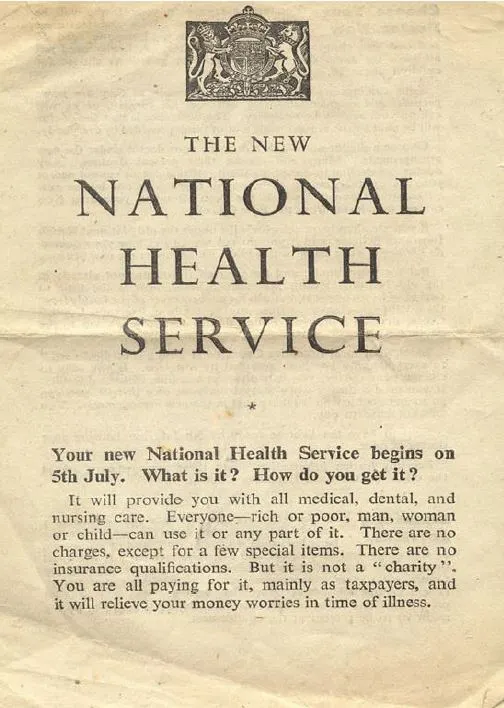
Introduction of General Management into the UK NHS – CSP Response
The introduction of General Management into the National Health Service (NHS) in the United Kingdom (UK) which commenced in 1983/1984 was one of the most extensive and radical sets of changes to have taken place in the Service during its 73-year history. Arguably, the Griffiths recommendations which brought general management …
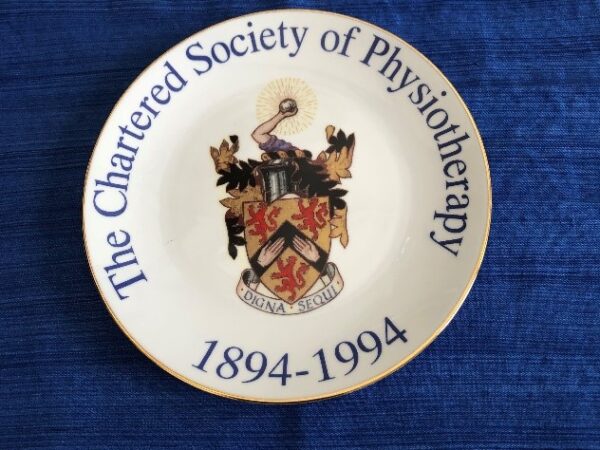
Significant Landmarks in UK Physiotherapy Through Official Memorobilia
Historical Notes and Personal Reminiscences 1994 was a significant date in the history of physiotherapy in the British Isles; it was the celebration of the Centenary of the founding of the Chartered Society of Physiotherapy (CSP). It was during the summer of 1894 that four nurses and midwives, Lucy Robinson, …
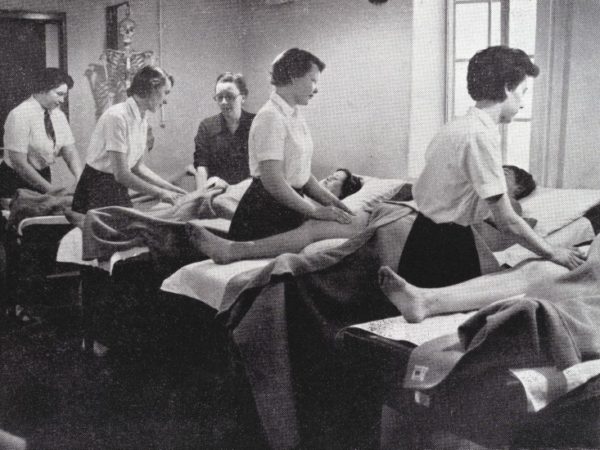
The process of physiotherapy professionalisation in the UK – Development of autonomy, Part IV
A Watershed in Professional Independence in the UK – The McMillan Report NOTE: Readers may be interested to know that Mr E.L. McMillan (Chairman of the McMillan working Party, in whose name the Report was published) was a patient of the author during the period that the working party was …
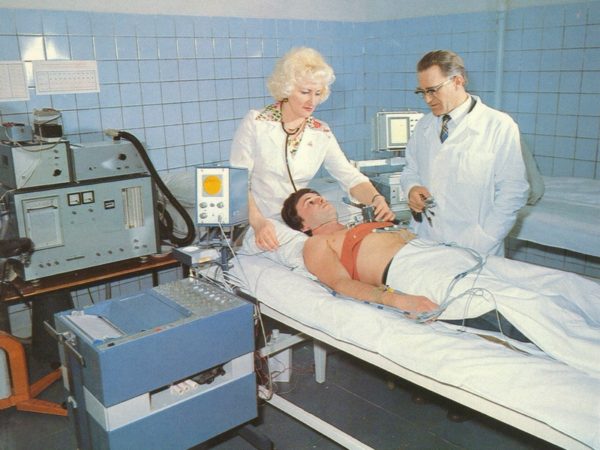
The process of physiotherapy professionalisation in the UK – Development of autonomy, Part III
In the late 1960s and early 1970s, Physiotherapy in the UK suffered several setbacks on the road to professional autonomy. This was very disappointing for physiotherapy in the UK, particularly given the developments which took place in the late 1950s and early 1960s with the advent of Government and public …
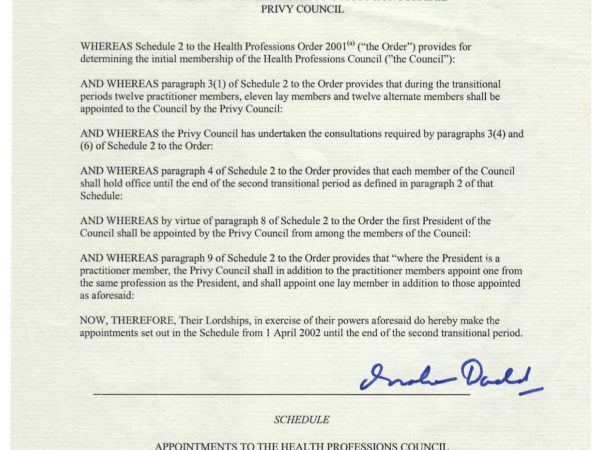
The process of physiotherapy professionalisation in the UK – Development of autonomy, Part II
Introduction¹ My previous contribution to IPHA articles (March 2020) presented an overview of the relationship between the medical profession and physiotherapy following the introduction of the National Health Service (NHS) in the UK exemplified through the Cope Report. This contribution continues the story via an overview of the development of …
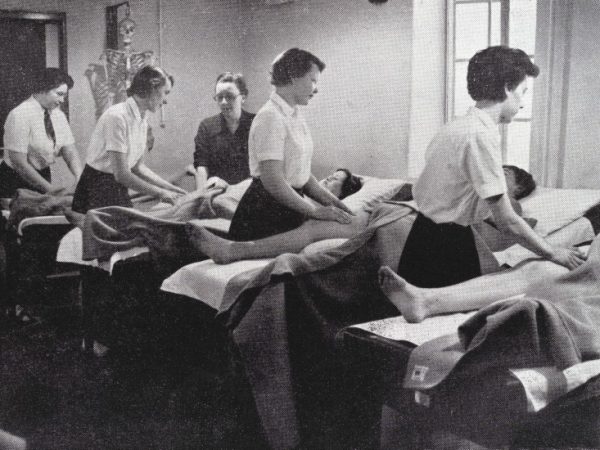
The process of physiotherapy professionalisation in the UK – Development of autonomy, Part I
Notes on the relationship between physiotherapy and the medical profession in the early days of the National Health Service In the early days of the UK National Health Service (which came into being on 5thJuly, 1948) the influence of the medical profession in terms of the direction, prescription, education and …