
Tag: America
How US Army Physical Therapy Pioneered Direct Access
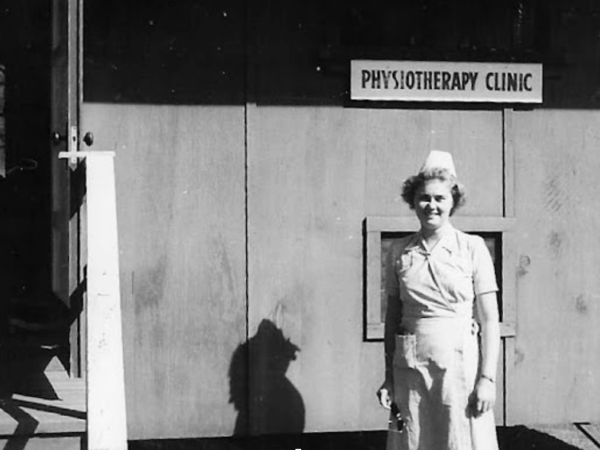
The untold story of how war, necessity, and innovation transformed physiotherapy forever. When today’s US physical therapists evaluate a patient without a referral, few realise that the roots of this autonomy stretch back to the battlefields of the 20th century. Long before “direct access” became a catchphrase for professional independence, …
An Irish Tale of the 2nd WCPT Congress in New York
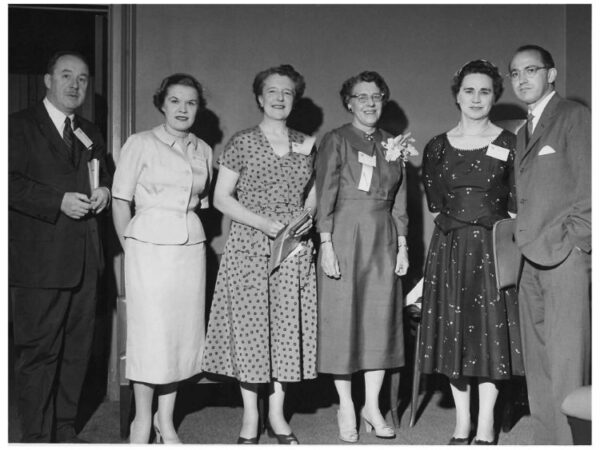
Among my earliest memories is one of listening to my mother – Pat Webb, née Toner- talking about New York and the 2nd World Confederation of Physical Therapy (WCPT) Congress which she attended in 1956. As I write this second-hand reminiscence, World Physiotherapy (as WCPT is now known) president Mike …
American Physical Therapy Before the War
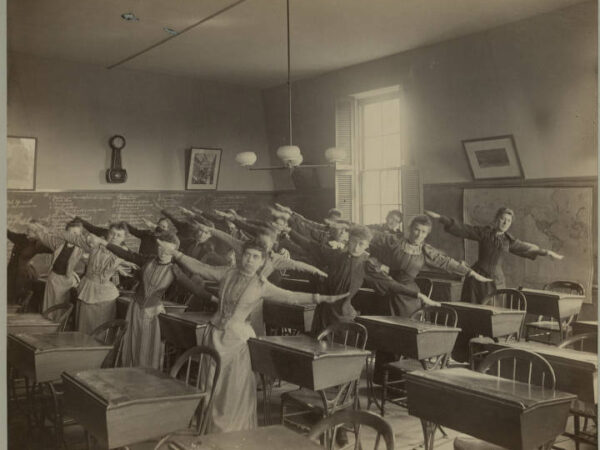
The commonly accepted premise of the origins of the physical therapy profession in the United States is that it began in response to the First World War (Hansson & Ottosson, 2015). This understanding has likely arisen from the hegemonic American Physical Therapy Association (APTA) focussing its historical work on its …
Dubious Electrotherapy
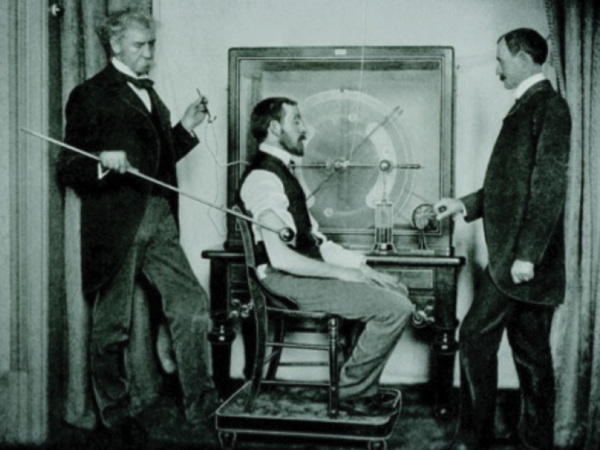
The word physiotherapy was used by many different practitioners in the first part of the twentieth century; including French physicians, American electrotherapeutists and later British radiologists as medical radiation was first grouped with electrotherapy. The word physiotherapy was also also used by ‘cultists’ like chiropractors and osteopaths, and untrained laypersons …

On the Origins of Netball
The international game of netball can trace its popularity and codification to a unique college of Swedish gymnastics in the United Kingdom at the turn of the nineteenth century. The all-female college was also at the heart of the development of both the physical education and physiotherapy professions. Women’s Basketball …
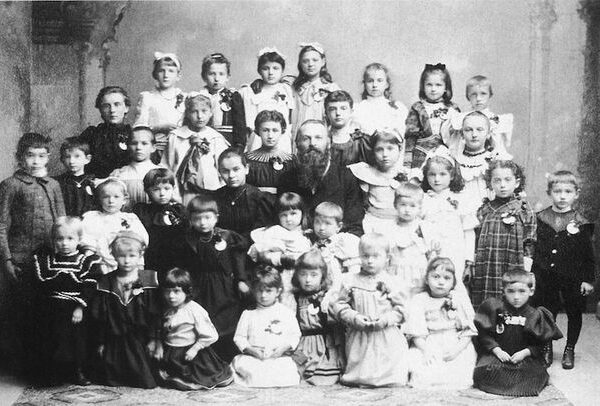
The Bloodless Surgeon of Vienna
Adolf Lorenz was born in rural Austrian Silesia in 1854. His father was a harness maker and innkeeper. A smart boy, Lorenz was able to attend high school through the financial support of his uncle, a monk, and later self funded through his own tutoring. He graduated from the medical …
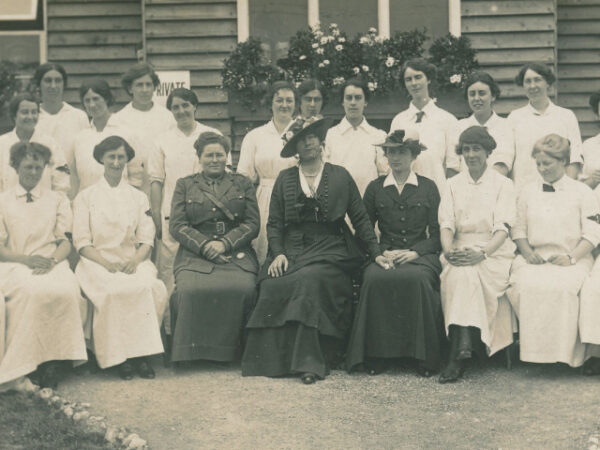
Angel of Summerdown: Physiotherapy’s Forgotten Benefactor
This story begins with the unusually named Almeric Paget Massage Corps. Located in the United Kingdom, the Corps was formed to serve in the First World War. It was the forerunner of physiotherapy services for wounded servicemen; and its’ success significantly boosted the profession by raising practitioner numbers, and their …

Are We Keeping Physical Therapy White?
Medicine has often been framed as the “ideal” profession, leading other health fields to emulate it when pursuing their own professionalisation. American medicine’s current education system came about during the early-twentieth century, as part of a multi-decade campaign to enhance the profession’s status by restricting education to an elite few, …

Interview with a Historian
American Physical Therapist and historian, Beth Linker’s latest book Slouch: Posture Panic in Modern America has just been released. We provided a review of the book in a previous post but this time wanted to learn more about the author herself. Beth is unique in the physiotherapy community as a historian and …
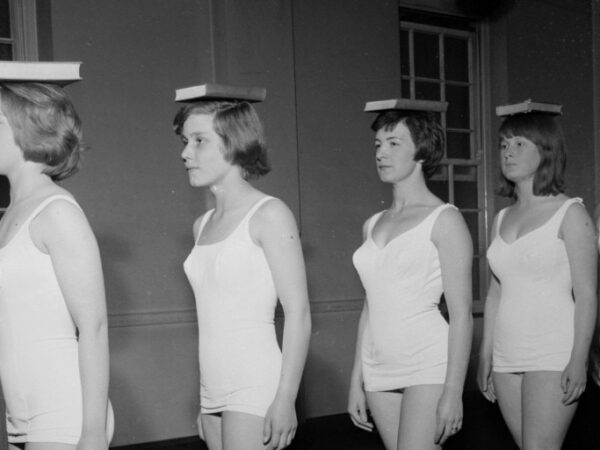
America’s Slouching Epidemic
In her recently published book “Slouch: Posture Panic in Modern America” Beth Linker argues that at the onset of the twentieth century the United States became gripped by a poor-posture epidemic: a widespread social contagion of slumping that could have deleterious effects upon individual health, and the body politic. Posture …