
Tag: C19th
The Waning Touch of Massage
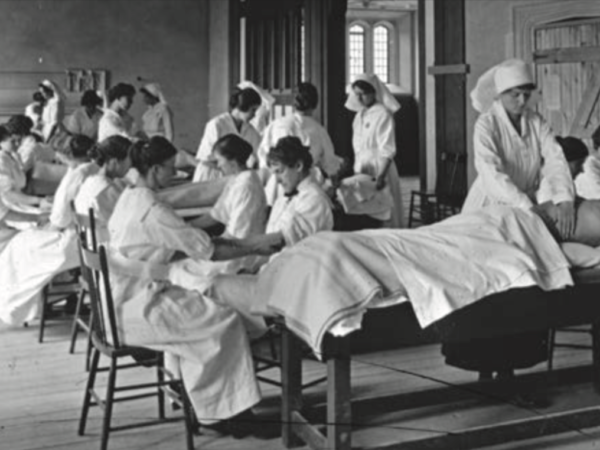
As old as humanity, massage reached its peak or ‘golden age’ in a seventy year period from the late 19th century through to the mid 20th century. Its rise is often attributed to Swede Pehr Henrik Ling, hence the term ‘Swedish Massage’, but it is more reliably attributed to Dutchman …
Johann Mezger and the Modern Science of Massage
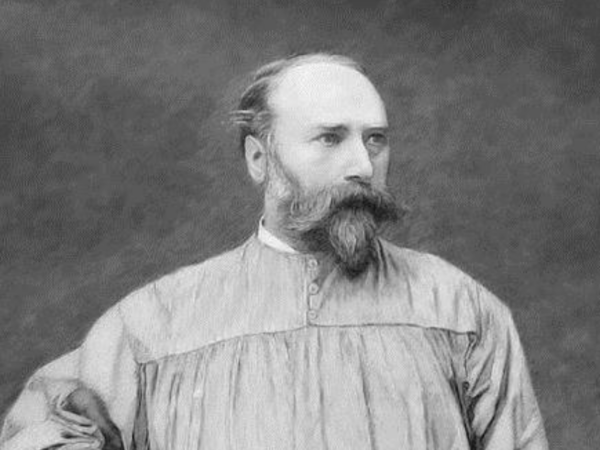
Modern massage is forever connected with two men: Pehr Henrik Ling and Johann Georg Mezger. Whilst Ling is credited as the founder of the Swedish system of exercise, which included massage, it was only ever a relatively minor part of his gymnastic regime. The modern scientific development of massage began …
Her story
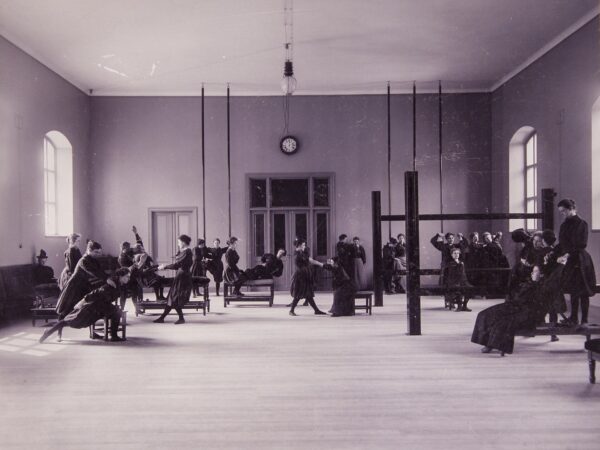
In the late 19th century, the medical world was turbulent, competitive, and surprisingly entrepreneurial. Among the more transformative developments was the rise of mechanical medicine—manual techniques, movement therapies, and massage—that challenged the conventional drug-based treatments (pharmacology) of so-called orthodox or regular medicine. While attention has been paid to the professionalisation …
Royal Central Institute for Gymnastics
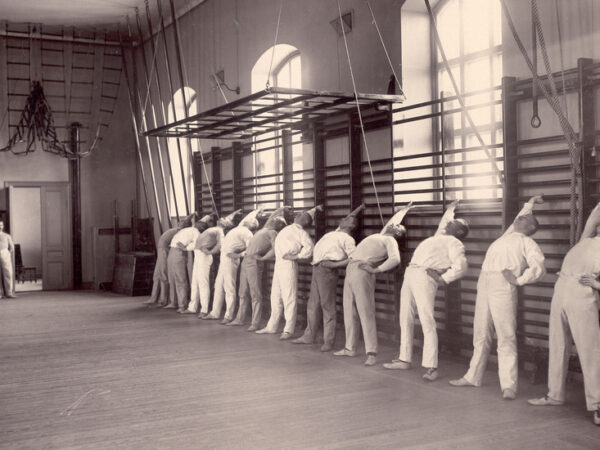
In the early 1800s as the Napoleonic Wars were reshaping the European map. Sweden had Finland and its’ eastern provinces ceded to Russia, and to the west the Swedish-Norwegian union occurred. It was shock to the previously dominant nation. The Swedish government was in chaos and there was a growing …
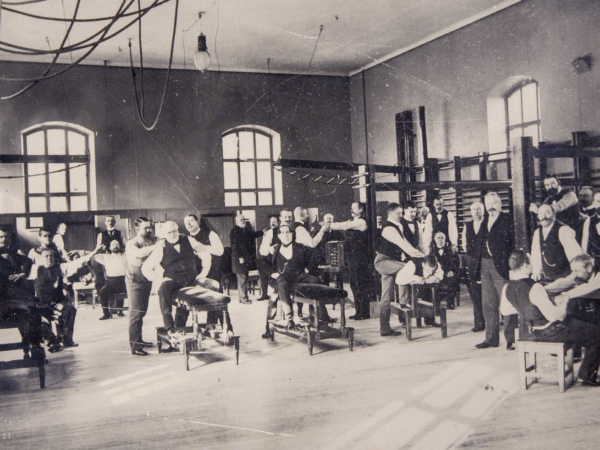
King Kellgren: The Father of Manual Therapy
In a newly published book, titled The Lost Origins of Osteopathy and Chiropractic in European Mechanical Medicine and Physical Education, C. 1800-1950 author Anders Ottosson argues that osteopathy, chiropractic, orthopaedic medicine and orthopaedic manual physical therapy all have a common origin – early Swedish physiotherapy. Whilst manual therapy is as …
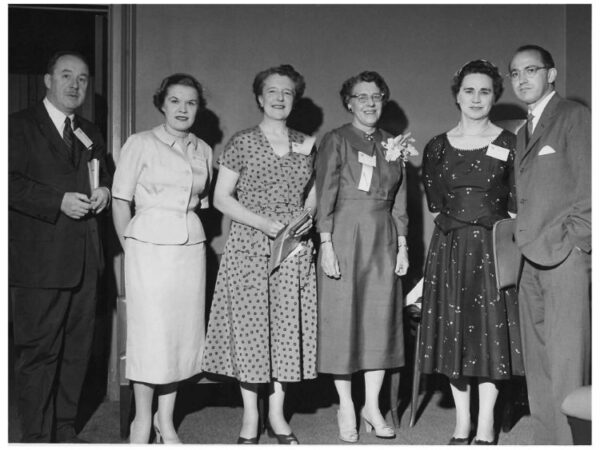
An Irish Tale of the 2nd WCPT Congress in New York
Among my earliest memories is one of listening to my mother – Pat Webb, née Toner- talking about New York and the 2nd World Confederation of Physical Therapy (WCPT) Congress which she attended in 1956. As I write this second-hand reminiscence, World Physiotherapy (as WCPT is now known) president Mike …
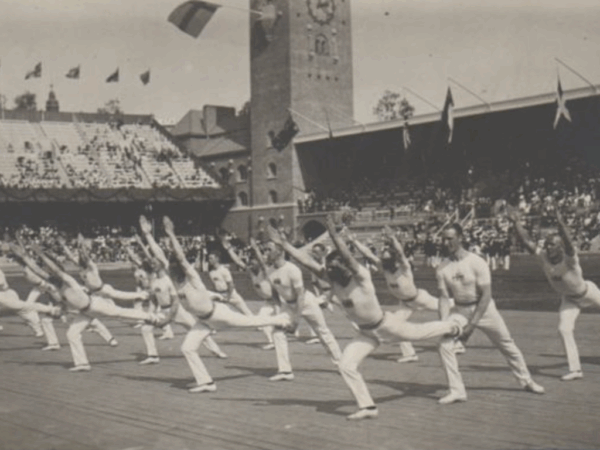
Swedish Gymnastics at the Olympic Games
The Swedish gymnastics of Pehr Henrik Ling consisted of four branches: military (fencing), medical (physiotherapy), pedagogical (physical education) and aesthetic (dance). For the latter two, the system emphasised floor exercises along with “Swedish bars” (attached to a wall), balance beam, vaulting box and some hand-held apparatus. The movements were generally …
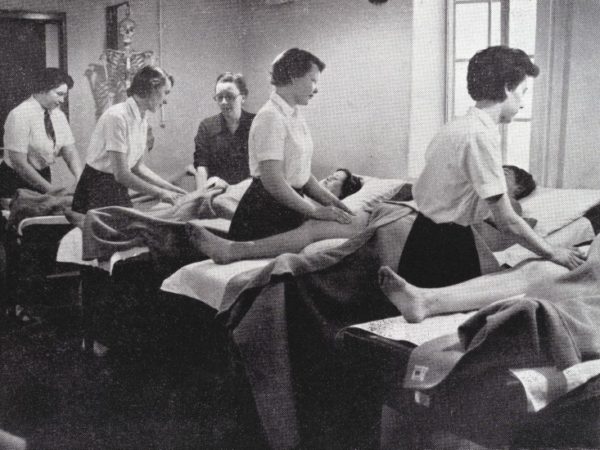
‘Essays on Massage History 1750 – 1950’: Book Review
As an adjunct health service or a junior partner to medicine, massage has oft lacked respect. So much so, that even its own history has remained poorly understood. Massage needed someone to come along to provide intellectual rigour to its story, and it came in an unlikely form – a …
Dr Koch’s Emasculation and the Birth of Physiotherapy
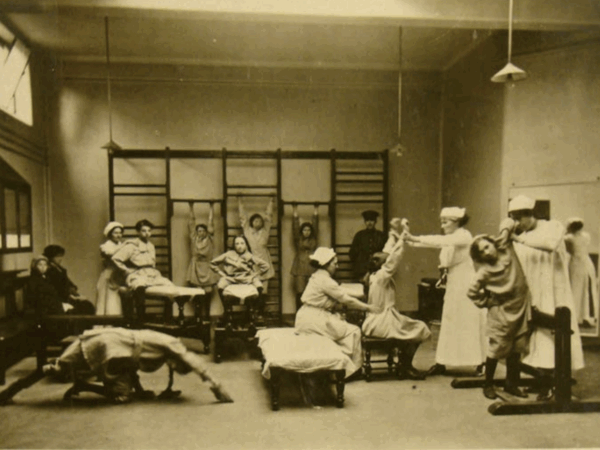
The formation of the Society of Trained Masseuses (STM) by four British nurses in 1894 is often opined as the beginning of the physiotherapy profession (Ottoson, 2015). In support, physiotherapy historian and critical thinker Dave Nicholls (2016) said on the subject, ..physiotherapy must be seen to begin when the question …

On the Origins of Netball
The international game of netball can trace its popularity and codification to a unique college of Swedish gymnastics in the United Kingdom at the turn of the nineteenth century. The all-female college was also at the heart of the development of both the physical education and physiotherapy professions. Women’s Basketball …