
This is a collection of our latest and greatest content from our talented writers.
Tag: Featured
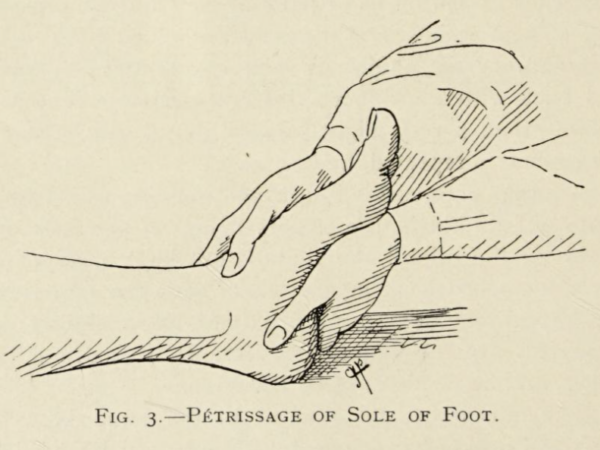
Lessons on Massage
While undertaking research of original documents and books at the Wellcome Collection in London a few months ago I came across a first edition of the famous book by Margaret Dora Palmer titled ‘Lessons on Massage’, published in 1901. In the opening lines of the book’s preface Palmer (1901) says, …
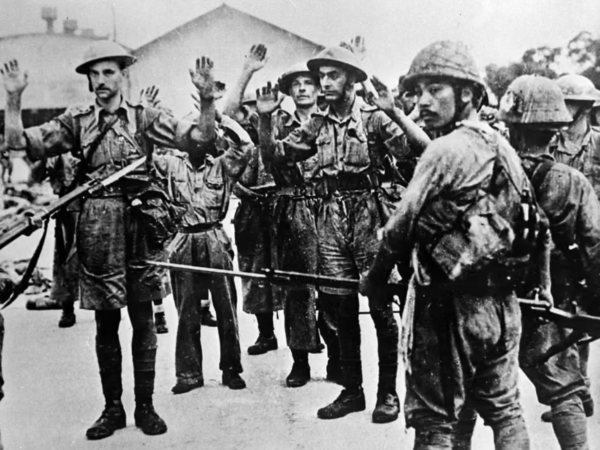
The Fall of Singapore
Following the First World War, Australia concluded that Japan’s expansionist ambitions in the Pacific posed the greatest threat to its national security. Britain was equally determined to protect its Asian territories — India, Burma, Malaya and Hong Kong — from Japanese encroachment. The Singapore Strategy In 1919 Singapore, strategically positioned …
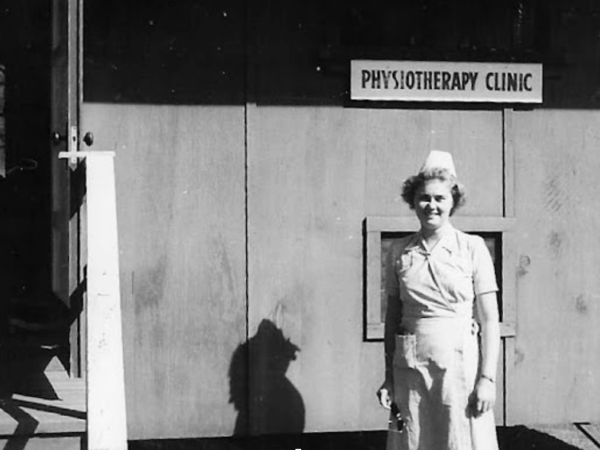
How US Army Physical Therapy Pioneered Direct Access
The untold story of how war, necessity, and innovation transformed physiotherapy forever. When today’s US physical therapists evaluate a patient without a referral, few realise that the roots of this autonomy stretch back to the battlefields of the 20th century. Long before “direct access” became a catchphrase for professional independence, …
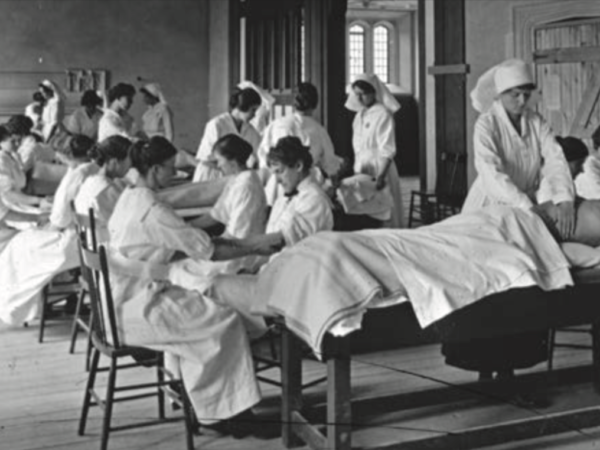
The Waning Touch of Massage
As old as humanity, massage reached its peak or ‘golden age’ in a seventy year period from the late 19th century through to the mid 20th century. Its rise is often attributed to Swede Pehr Henrik Ling, hence the term ‘Swedish Massage’, but it is more reliably attributed to Dutchman …
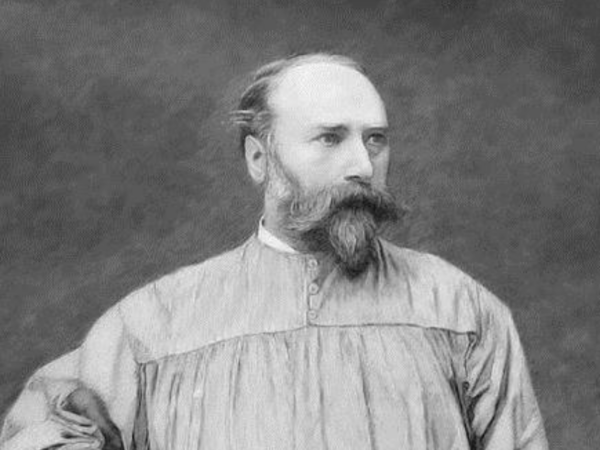
Johann Mezger and the Modern Science of Massage
Modern massage is forever connected with two men: Pehr Henrik Ling and Johann Georg Mezger. Whilst Ling is credited as the founder of the Swedish system of exercise, which included massage, it was only ever a relatively minor part of his gymnastic regime. The modern scientific development of massage began …
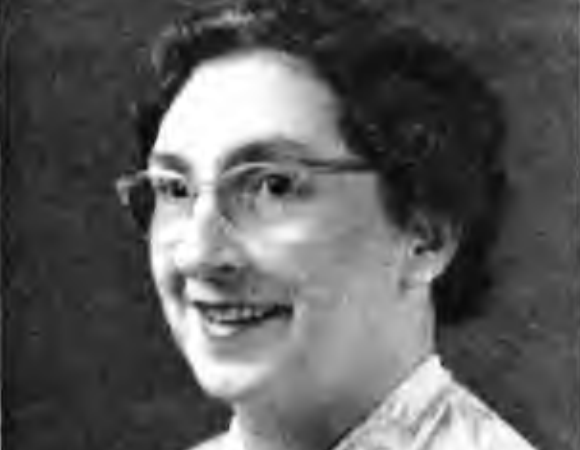
The Indefatigable Miss Neilson
Many non-physiotherapists have contributed to the advancement of the physiotherapy profession. Primarily they are in the form of other health professionals, like medical practitioners, nurses and exercise therapists, who challenge and progress the technical aspects of physiotherapy. Less well-recognised are the administrators who organise and champion the profession. At the …
Executive Half Year Report – December 2025
The Executive Committee met on two occasions by Zoom teleconference in the second half of 2025. The current Executive Committee membership consists of Glenn Ruscoe, Chair (Australia) Sandra Schiller (Germany) Magda Fourie (South Africa) Cameron MacDonald (USA) Wajida Perveen (Pakistan) Snjezana Schuster (Croatia) Ximena Suárez Bonilla (Mexico/Spain) Esther-Mary D’Arcy (Ireland) …
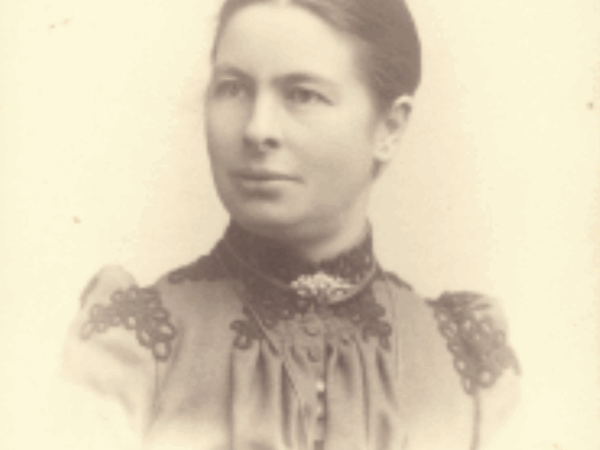
Karolina Widerström: Champion of Women’s Health and Rights
Karolina Widerström was born in Helsingborg, Sweden in 1856. Her father worked variously as an army veterinarian, a physiotherapist, and as a teacher. After attending a girls’ school in Helsingborg, Widerström herself trained as a physiotherapist at the Royal Central Institute for Gymnastics from 1873 – 1875. She then worked …
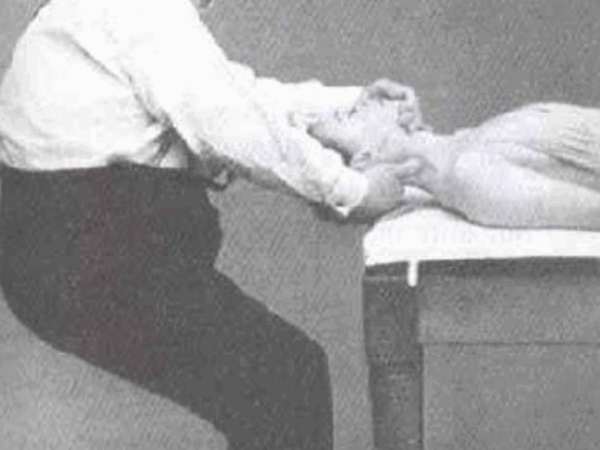
James Cyriax: Villain or Hero?
James Henry Cyriax was born in London in 1904 into a distinguished family of gymnastic directors — Swedish educated physiotherapists who combined physical education and manual therapy. His maternal grandfather, Jonas Henrik Kellgren (1837–1916), was a renowned figure at the Royal Central Institute of Gymnastics (RCIG) in Stockholm. Kellgren had …
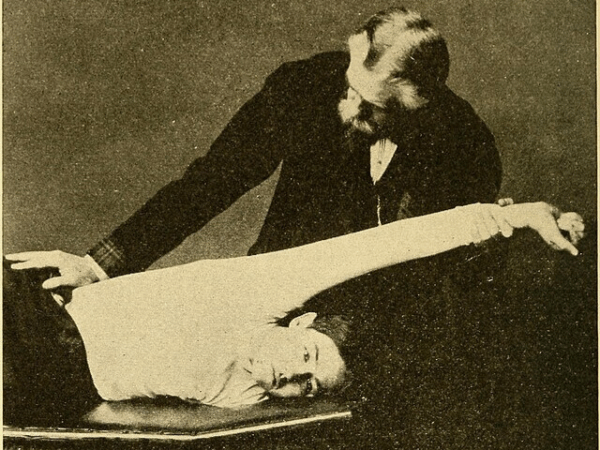
Stretching the Latissimus Dorsi Muscle. c 1906. Wikimedia Commons
The Power of Historical Narratives
I had the good fortune to present recently at the AAOMPT conference in Reno, Nevada. The topic at hand related to how the modern scientific focus in physiotherapy is both strengthening our understanding of the mechanisms of manual therapy but weakening the standing of manual therapy compared to non-hands-on approaches. …