
Tag: massage
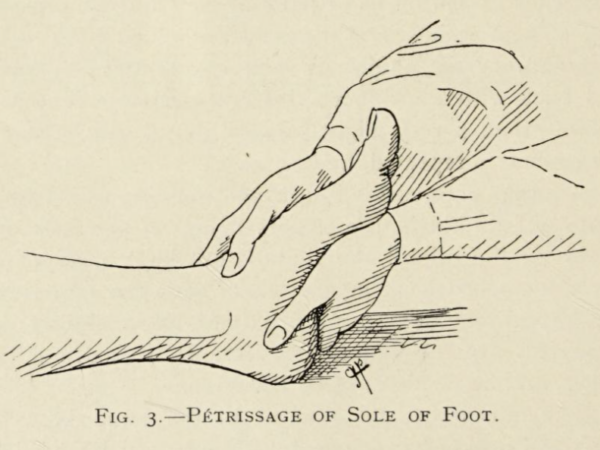
Lessons on Massage
While undertaking research of original documents and books at the Wellcome Collection in London a few months ago I came across a first edition of the famous book by Margaret Dora Palmer titled ‘Lessons on Massage’, published in 1901. In the opening lines of the book’s preface Palmer (1901) says, …
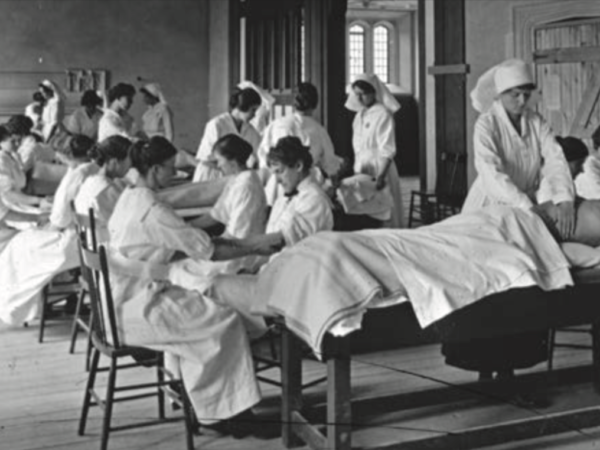
The Waning Touch of Massage
As old as humanity, massage reached its peak or ‘golden age’ in a seventy year period from the late 19th century through to the mid 20th century. Its rise is often attributed to Swede Pehr Henrik Ling, hence the term ‘Swedish Massage’, but it is more reliably attributed to Dutchman …
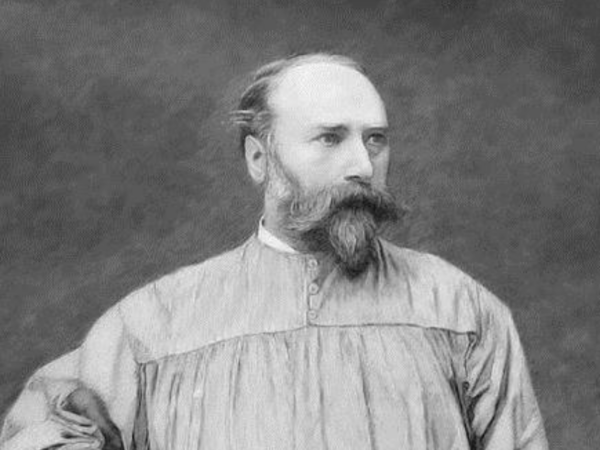
Johann Mezger and the Modern Science of Massage
Modern massage is forever connected with two men: Pehr Henrik Ling and Johann Georg Mezger. Whilst Ling is credited as the founder of the Swedish system of exercise, which included massage, it was only ever a relatively minor part of his gymnastic regime. The modern scientific development of massage began …
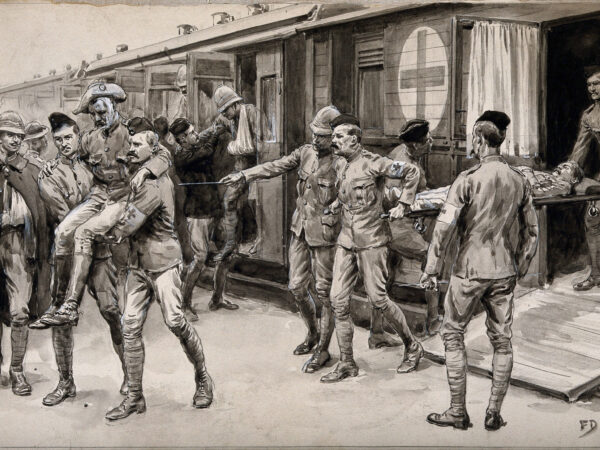
Physiotherapy’s First War
The First World War is considered the turning point for the institutionalisation and expansion of the physiotherapy profession. The sheer volume of injured personnel created by the mechanisation of arms, combined with emerging government social responsibility, facilitated support for a workforce trained to assist in physical rehabilitation. But the First …
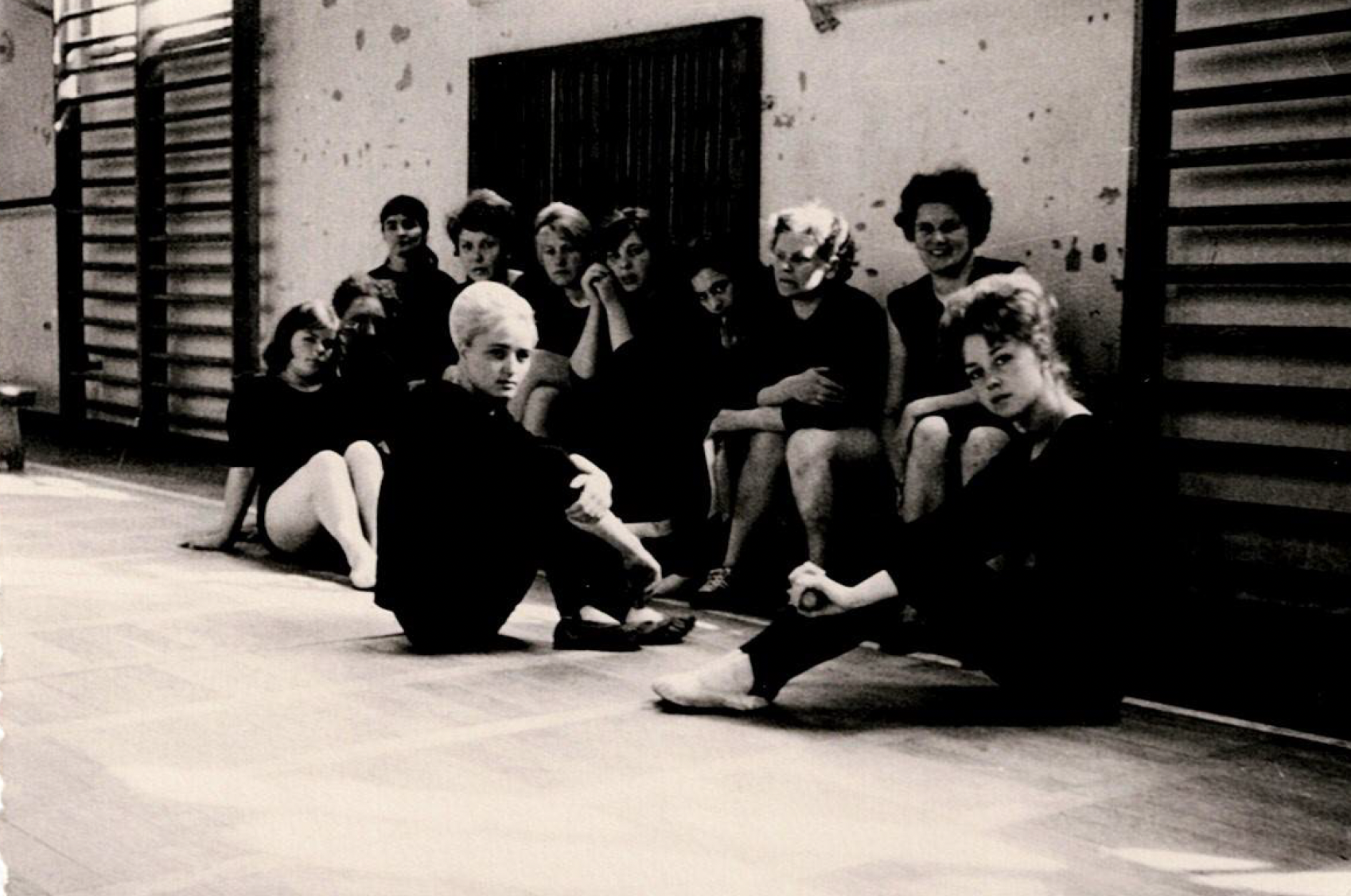
Studying Physiotherapy Behind the Iron Curtain
My vocational training as a physiotherapist in the German Democratic Republic (GDR) offered me my first internship in 1968 at a Saxon Thermal Bath, a leading spa facility in the GDR for rheumatic diseases, specialising in ankylosing spondylitis, but also in the late effects of polio. In the physiotherapy department, …
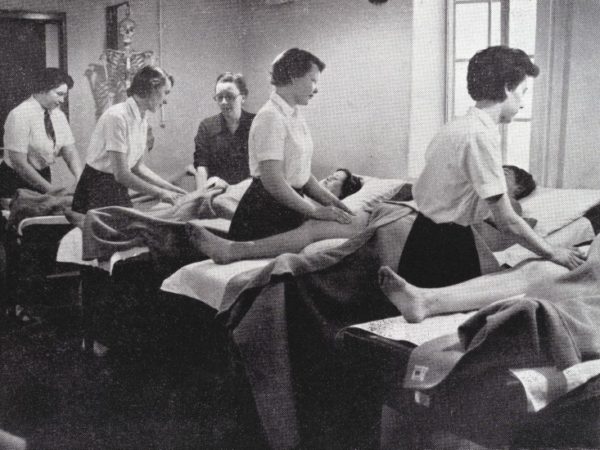
‘Essays on Massage History 1750 – 1950’: Book Review
As an adjunct health service or a junior partner to medicine, massage has oft lacked respect. So much so, that even its own history has remained poorly understood. Massage needed someone to come along to provide intellectual rigour to its story, and it came in an unlikely form – a …
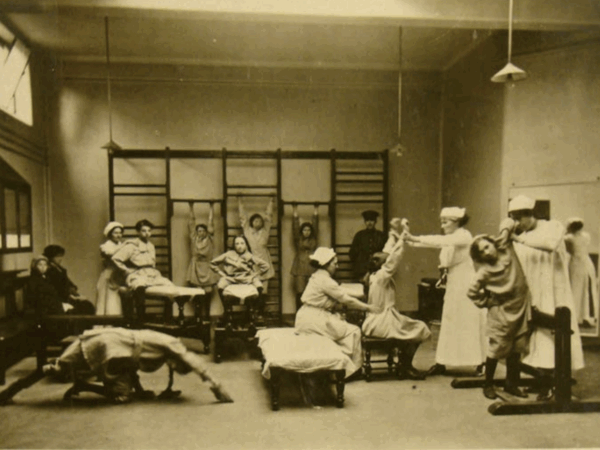
Dr Koch’s Emasculation and the Birth of Physiotherapy
The formation of the Society of Trained Masseuses (STM) by four British nurses in 1894 is often opined as the beginning of the physiotherapy profession (Ottoson, 2015). In support, physiotherapy historian and critical thinker Dave Nicholls (2016) said on the subject, ..physiotherapy must be seen to begin when the question …

Dr Bum’s Famous Institute of Mechanotherapy
The term ‘mechanotherapy’ was introduced by Swedish physician Gustav Zander to define a method of treating certain illnesses through massage and exercise, particularly using mechanical equipment. The exercises were drawn from the work of countryman Pehr Henrik Ling, but the equipment was Zanders, and in 1865 he opened the world …

My European Study Tour
In 1903 Australian proto-physiotherapist Josephine McCormick visited the principal physical culture institutes of Europe, in London, Paris, Vienna and Berlin. She also undertook courses of study with orthopaedists Professor Adolf Lorenz of Vienna, and Dr Bernard Roth of London. Professor Lorenz was a founder of the German society of Orthopaedic …
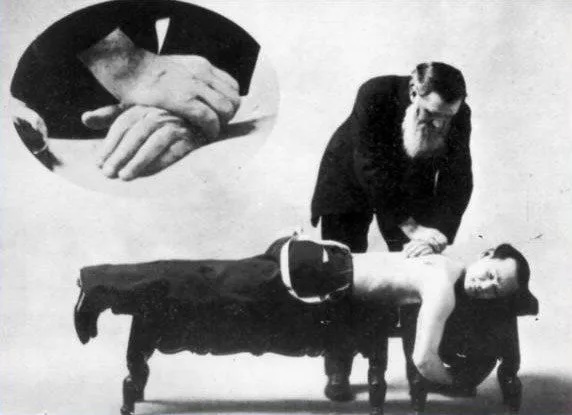
How Australian Chiropractors Transformed World Physiotherapy
Osteopathy was devised in 1870s America by Dr Andrew Taylor Still (1828-1917) and chiropractic some twenty years later by David Daniel Palmer (1845-1913). Both utilised a structural perspective to explain and treat functional disturbances. Over the years, orthodox medicine viewed such practices with disdain. The wide variance in training, lack …