
Tag: UK
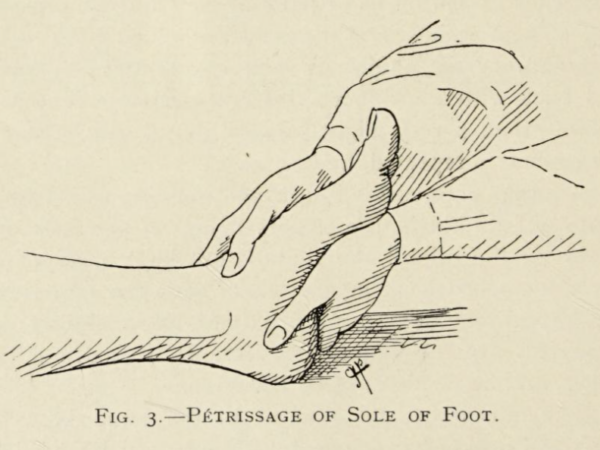
Lessons on Massage
While undertaking research of original documents and books at the Wellcome Collection in London a few months ago I came across a first edition of the famous book by Margaret Dora Palmer titled ‘Lessons on Massage’, published in 1901. In the opening lines of the book’s preface Palmer (1901) says, …
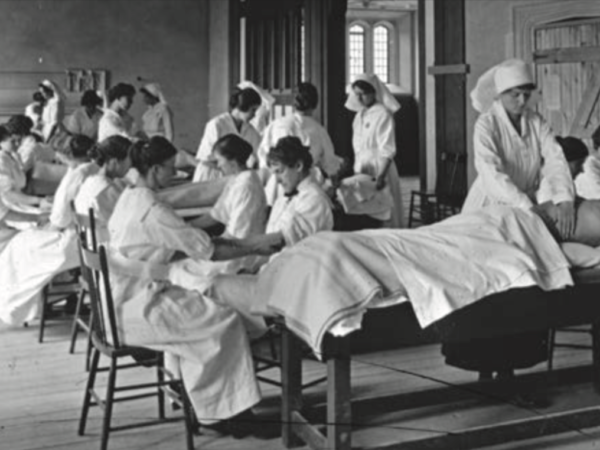
The Waning Touch of Massage
As old as humanity, massage reached its peak or ‘golden age’ in a seventy year period from the late 19th century through to the mid 20th century. Its rise is often attributed to Swede Pehr Henrik Ling, hence the term ‘Swedish Massage’, but it is more reliably attributed to Dutchman …
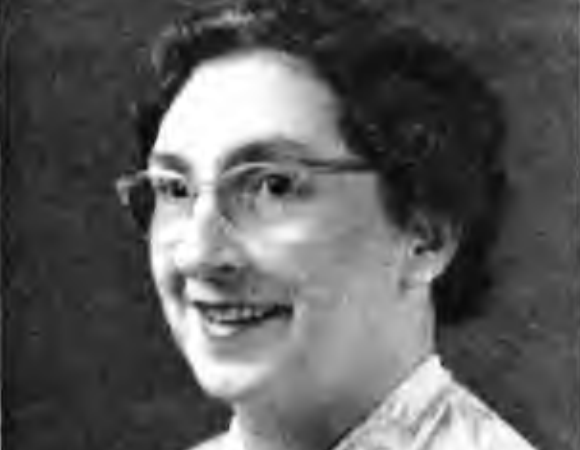
The Indefatigable Miss Neilson
Many non-physiotherapists have contributed to the advancement of the physiotherapy profession. Primarily they are in the form of other health professionals, like medical practitioners, nurses and exercise therapists, who challenge and progress the technical aspects of physiotherapy. Less well-recognised are the administrators who organise and champion the profession. At the …
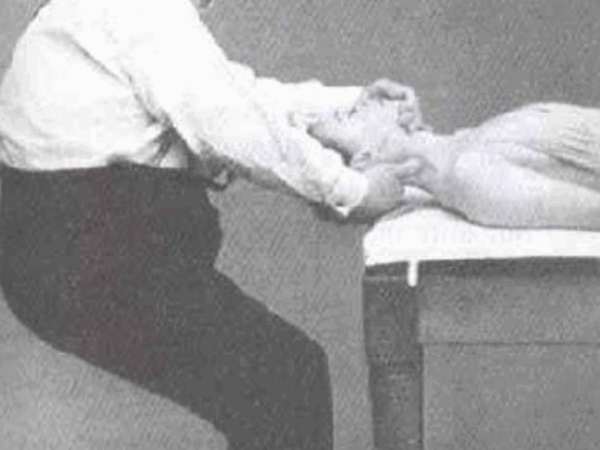
James Cyriax: Villain or Hero?
James Henry Cyriax was born in London in 1904 into a distinguished family of gymnastic directors — Swedish educated physiotherapists who combined physical education and manual therapy. His maternal grandfather, Jonas Henrik Kellgren (1837–1916), was a renowned figure at the Royal Central Institute of Gymnastics (RCIG) in Stockholm. Kellgren had …
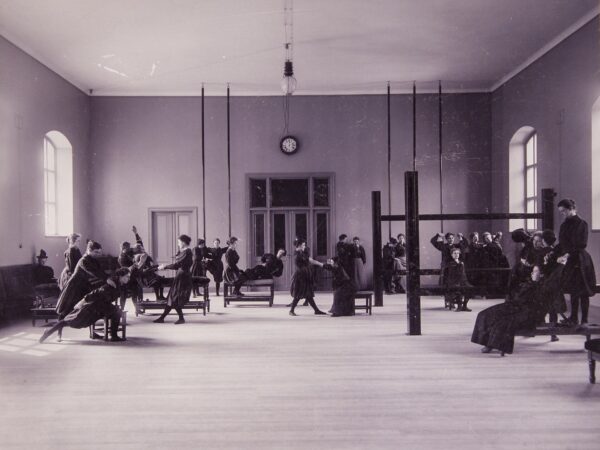
Her story
In the late 19th century, the medical world was turbulent, competitive, and surprisingly entrepreneurial. Among the more transformative developments was the rise of mechanical medicine—manual techniques, movement therapies, and massage—that challenged the conventional drug-based treatments (pharmacology) of so-called orthodox or regular medicine. While attention has been paid to the professionalisation …
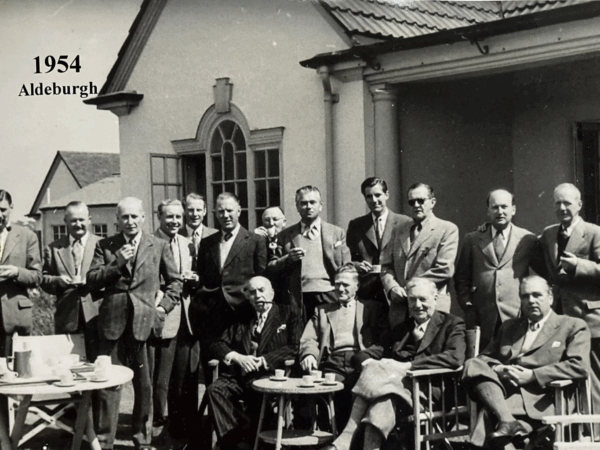
The Swedish Golfing Society
On the evening of 26 March 1912, twelve Swedes met at the Golfers’ Club in Whitehall Court, London. They were invited to the meeting by Detlof von Braun to discuss the formation of a Swedish Golfing Society. At the time interest in sport was ever increasing. The previous Olympic Games …
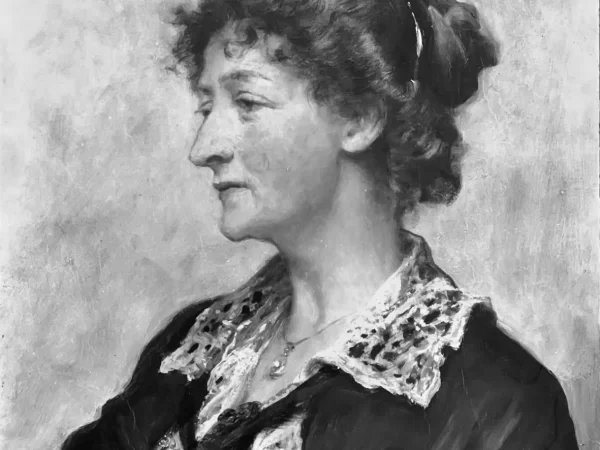
Justina Wilson – Twice the Fellow
The following obituary of Justina Wilson was published in the British Medical Journal in 1950. Whilst incorrect in some minor areas and lacking in others, it nevertheless demonstrates her extraordinary physiotherapy and medical achievements, and tells of a life fully lived. The two most significant omissions are her Honorary Fellowship …
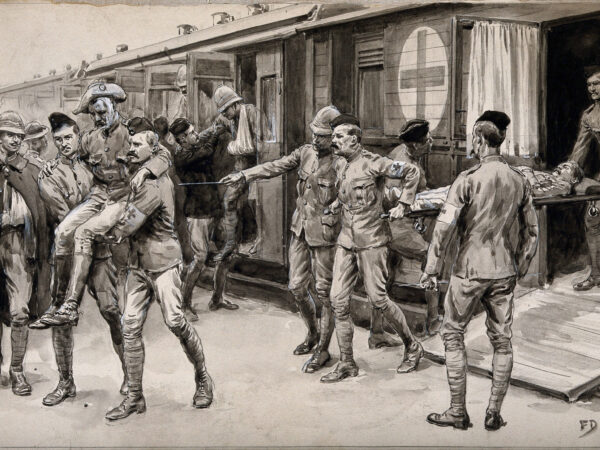
Physiotherapy’s First War
The First World War is considered the turning point for the institutionalisation and expansion of the physiotherapy profession. The sheer volume of injured personnel created by the mechanisation of arms, combined with emerging government social responsibility, facilitated support for a workforce trained to assist in physical rehabilitation. But the First …
A Royal Charter
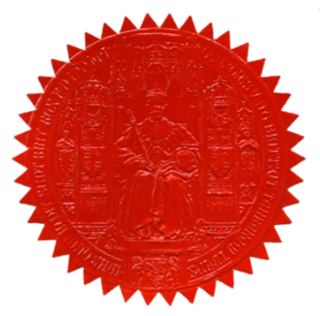
The original roots of the Chartered Society of Physiotherapy (CSP) in the United Kingdom date back to the foundation of the Society of Trained Masseuses (STM) in 1894. In 1900, the Society was incorporated by the Board of Trade by Licence under the then Companies Act of Parliament to become the …
Dr Koch’s Emasculation and the Birth of Physiotherapy
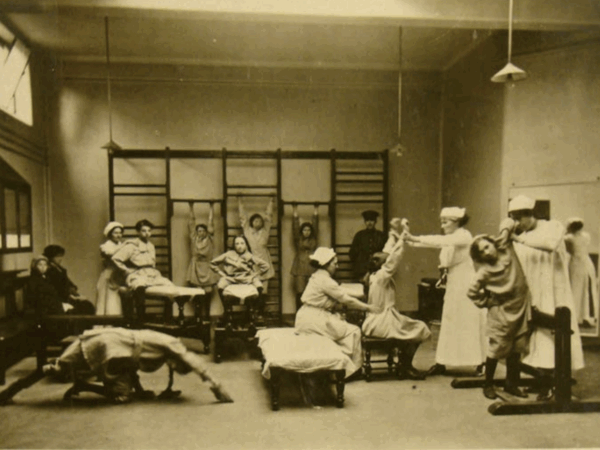
The formation of the Society of Trained Masseuses (STM) by four British nurses in 1894 is often opined as the beginning of the physiotherapy profession (Ottoson, 2015). In support, physiotherapy historian and critical thinker Dave Nicholls (2016) said on the subject, ..physiotherapy must be seen to begin when the question …