
Tag: WWI
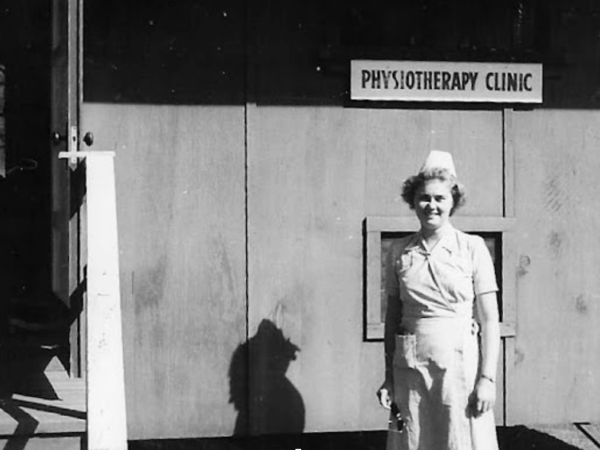
How US Army Physical Therapy Pioneered Direct Access
The untold story of how war, necessity, and innovation transformed physiotherapy forever. When today’s US physical therapists evaluate a patient without a referral, few realise that the roots of this autonomy stretch back to the battlefields of the 20th century. Long before “direct access” became a catchphrase for professional independence, …
The Waning Touch of Massage
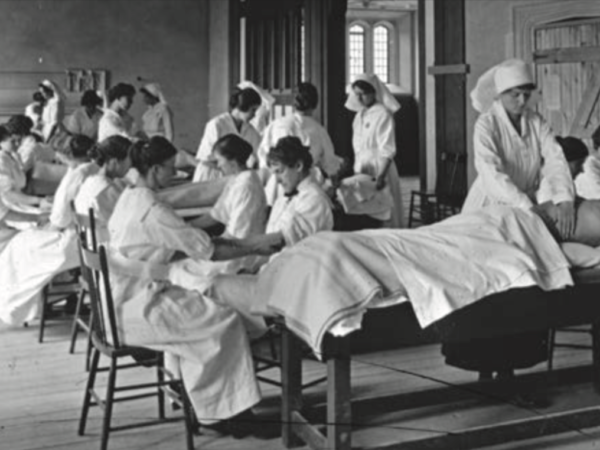
As old as humanity, massage reached its peak or ‘golden age’ in a seventy year period from the late 19th century through to the mid 20th century. Its rise is often attributed to Swede Pehr Henrik Ling, hence the term ‘Swedish Massage’, but it is more reliably attributed to Dutchman …
Physiotherapy’s First War
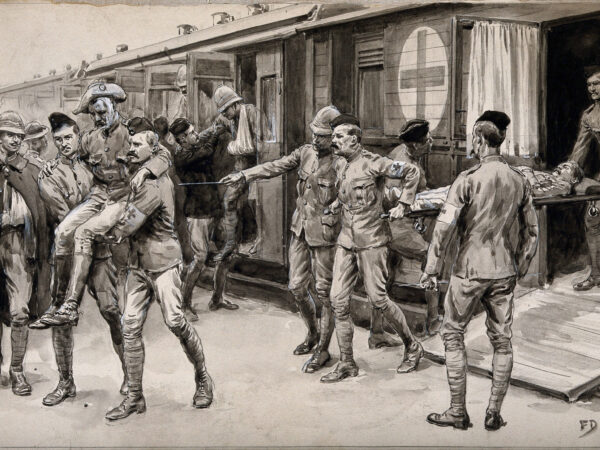
The First World War is considered the turning point for the institutionalisation and expansion of the physiotherapy profession. The sheer volume of injured personnel created by the mechanisation of arms, combined with emerging government social responsibility, facilitated support for a workforce trained to assist in physical rehabilitation. But the First …
‘Essays on Massage History 1750 – 1950’: Book Review
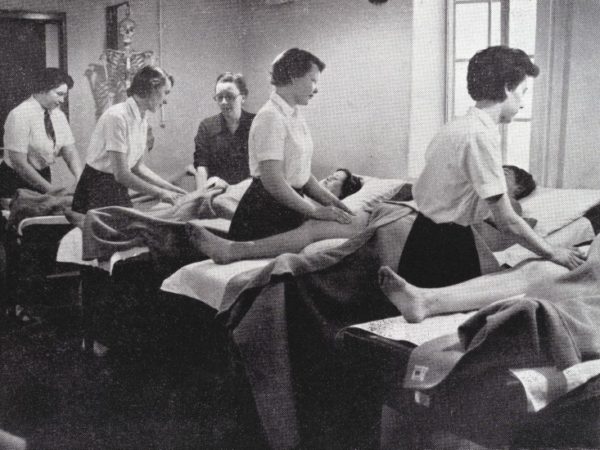
As an adjunct health service or a junior partner to medicine, massage has oft lacked respect. So much so, that even its own history has remained poorly understood. Massage needed someone to come along to provide intellectual rigour to its story, and it came in an unlikely form – a …
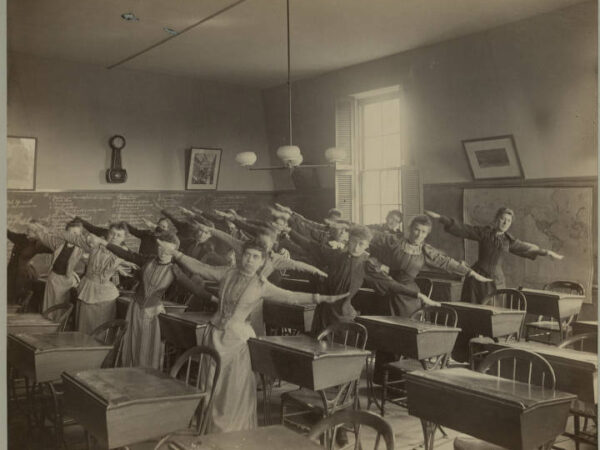
American Physical Therapy Before the War
The commonly accepted premise of the origins of the physical therapy profession in the United States is that it began in response to the First World War (Hansson & Ottosson, 2015). This understanding has likely arisen from the hegemonic American Physical Therapy Association (APTA) focussing its historical work on its …
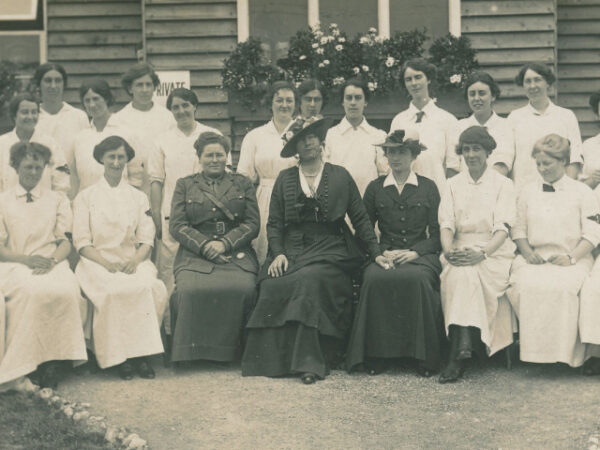
Angel of Summerdown: Physiotherapy’s Forgotten Benefactor
This story begins with the unusually named Almeric Paget Massage Corps. Located in the United Kingdom, the Corps was formed to serve in the First World War. It was the forerunner of physiotherapy services for wounded servicemen; and its’ success significantly boosted the profession by raising practitioner numbers, and their …

The Value of Physical Treatment
The following Letter to the Editor, published in The Lancet in 1918 provides an extraordinary review of the growth of physiotherapy from the First World War. SIR,—The Prime Minister in his speech on Nov. 16th, in placing the case for the Coalition at the Central Hall, Westminster, said: ” The …
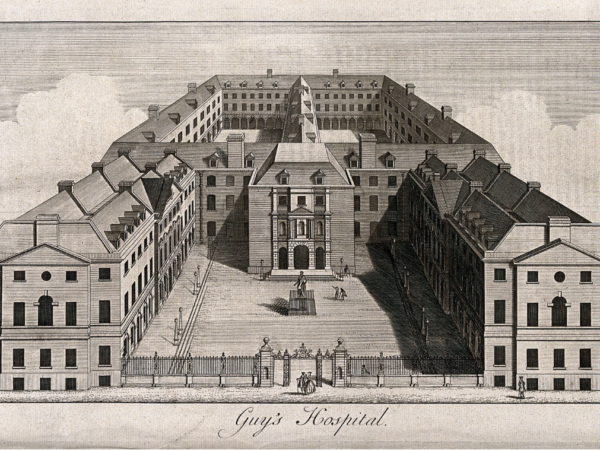
Guy’s Hospital School of Physiotherapy, London
An Overview of the Origins and History 1888 to1992 During the early to mid-1970s I was privileged to work as a member of the physiotherapy staff at Guy’s Hospital London. Guy’s was founded in 1726 and is recognised as one of the great and famous hospitals in the United Kingdom …

The Other McKenzie
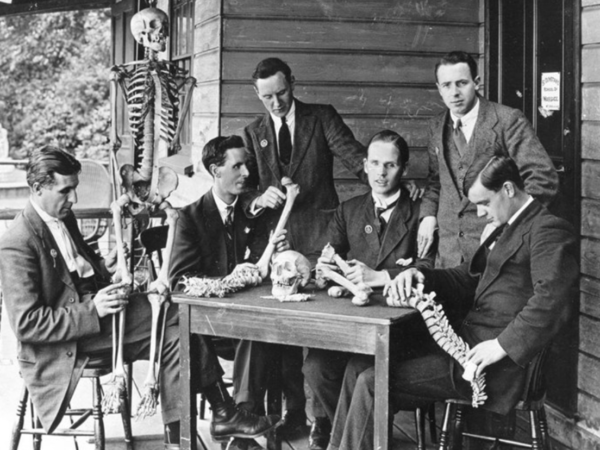
Within the physiotherapy profession the name McKenzie resonates with greatness. New Zealand musculoskeletal physiotherapist Robin McKenzie revolutionised the worldwide treatment of low back pain in the 1980s and his work continues today through the McKenzie Institute International. However there is another, less well known McKenzie, whose contribution to the profession of …
Lest We Forget
At the eleventh hour on the eleventh day of the eleventh month – we will remember them. The Armistice (Latin = “to stand arms still”) agreement to end the hostilities of the First World War at the beginning of peace negotiations, began at 11am on the 11th of November 1918. …