

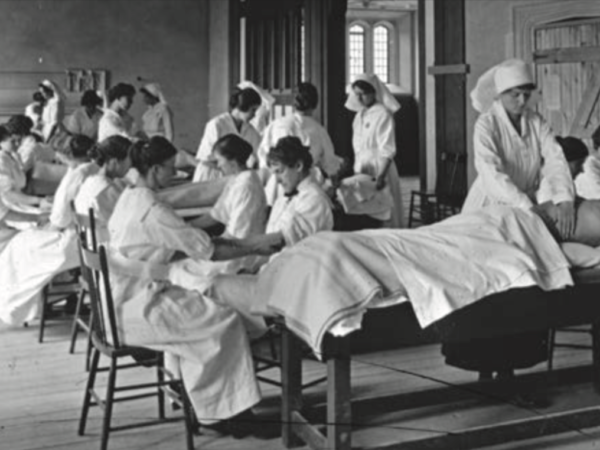
The Waning Touch of Massage
As old as humanity, massage reached its peak or ‘golden age’ in a seventy year period from the late 19th century through to the mid 20th century. Its rise is often attributed to Swede Pehr …
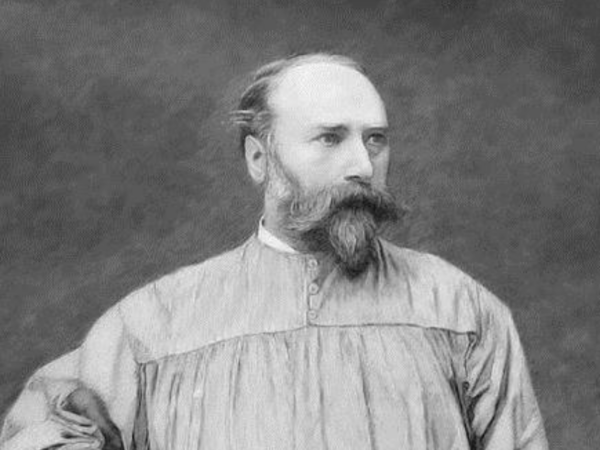
Johann Mezger and the Modern Science of Massage
Modern massage is forever connected with two men: Pehr Henrik Ling and Johann Georg Mezger. Whilst Ling is credited as the founder of the Swedish system of exercise, which included massage, it was only ever …
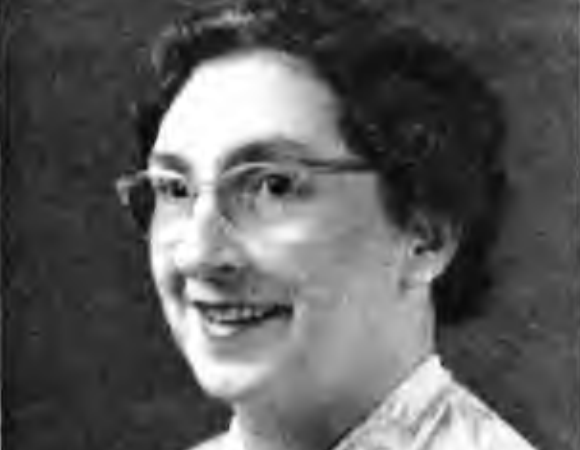
The Indefatigable Miss Neilson
Many non-physiotherapists have contributed to the advancement of the physiotherapy profession. Primarily they are in the form of other health professionals, like medical practitioners, nurses and exercise therapists, who challenge and progress the technical aspects …
Executive Half Year Report – December 2025
The Executive Committee met on two occasions by Zoom teleconference in the second half of 2025. The current Executive Committee membership consists of Glenn Ruscoe, Chair (Australia) Sandra Schiller (Germany) Magda Fourie (South Africa) Cameron …
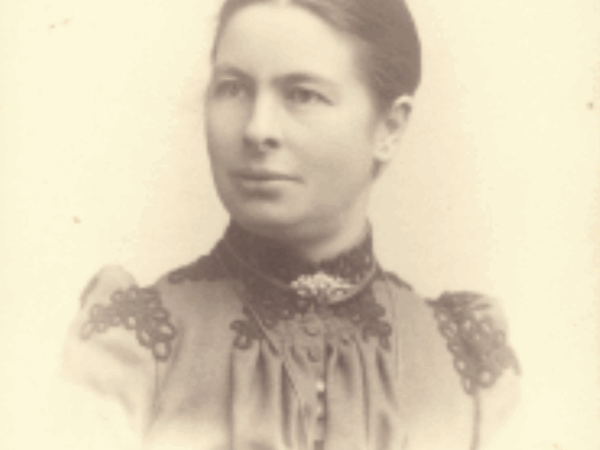
Karolina Widerström: Champion of Women’s Health and Rights
Karolina Widerström was born in Helsingborg, Sweden in 1856. Her father worked variously as an army veterinarian, a physiotherapist, and as a teacher. After attending a girls’ school in Helsingborg, Widerström herself trained as a …
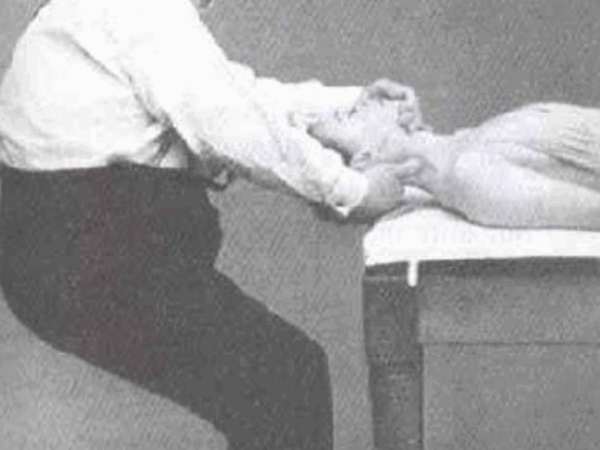
James Cyriax: Villain or Hero?
James Henry Cyriax was born in London in 1904 into a distinguished family of gymnastic directors — Swedish educated physiotherapists who combined physical education and manual therapy. His maternal grandfather, Jonas Henrik Kellgren (1837–1916), was …
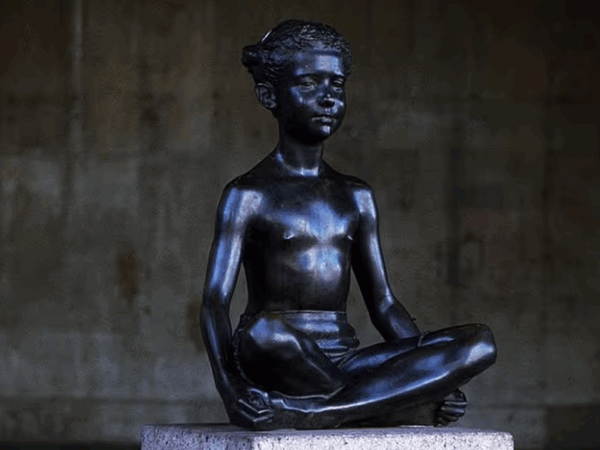
Stolen Statue
In 1812, the Swedish government approved Pehr Henrik Ling’s application to teach gymnastics in Stockholm and receive a salary and premises through state assistance. Ling had developed a comprehensive system that included pedagogical (physical education), …
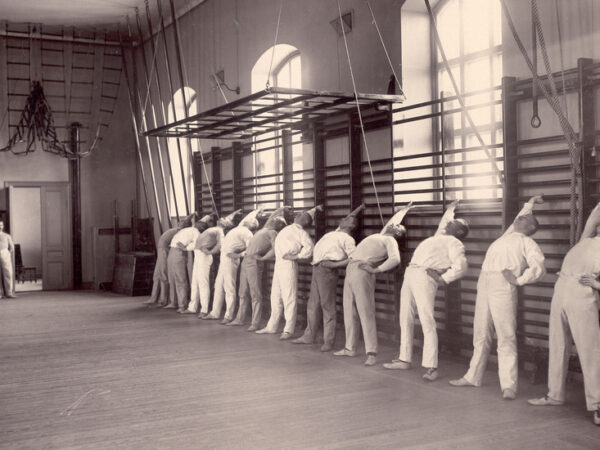
Royal Central Institute for Gymnastics
In the early 1800s as the Napoleonic Wars were reshaping the European map. Sweden had Finland and its’ eastern provinces ceded to Russia, and to the west the Swedish-Norwegian union occurred. It was shock to …
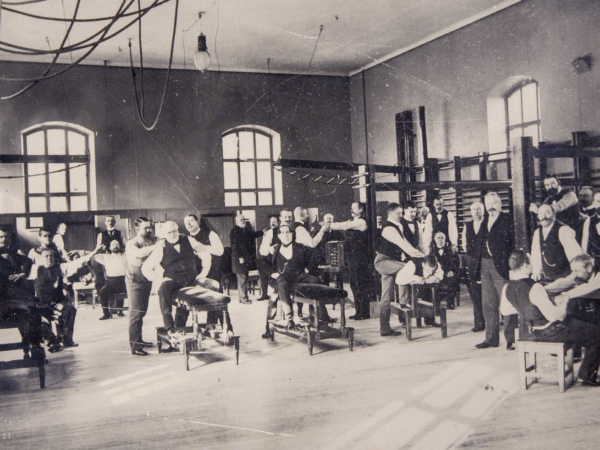
King Kellgren: The Father of Manual Therapy
In a newly published book, titled The Lost Origins of Osteopathy and Chiropractic in European Mechanical Medicine and Physical Education, C. 1800-1950 author Anders Ottosson argues that osteopathy, chiropractic, orthopaedic medicine and orthopaedic manual physical …
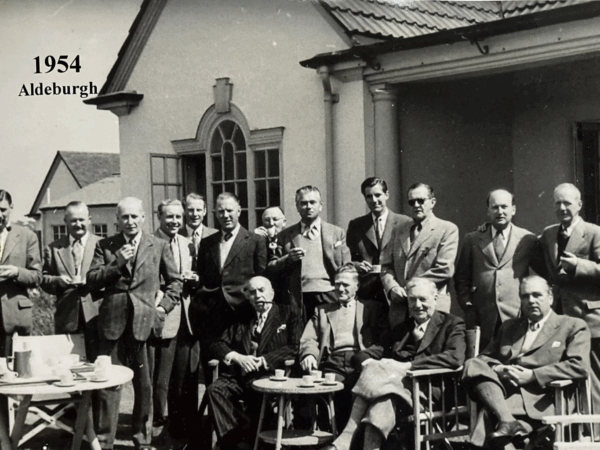
The Swedish Golfing Society
On the evening of 26 March 1912, twelve Swedes met at the Golfers’ Club in Whitehall Court, London. They were invited to the meeting by Detlof von Braun to discuss the formation of a Swedish …