

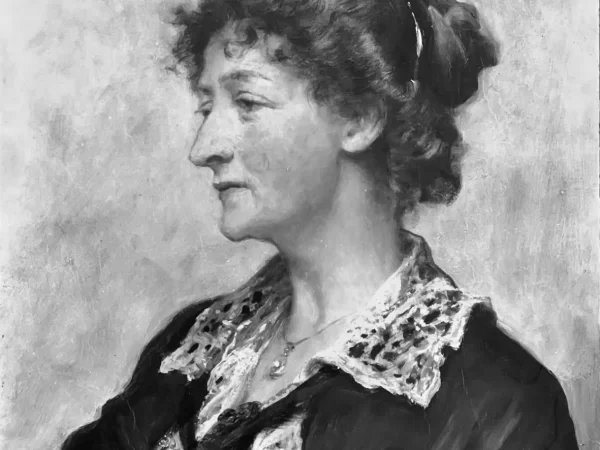
Justina Wilson – Twice the Fellow
The following obituary of Justina Wilson was published in the British Medical Journal in 1950. Whilst incorrect in some minor areas and lacking in others, it nevertheless demonstrates her extraordinary physiotherapy and medical achievements, and …
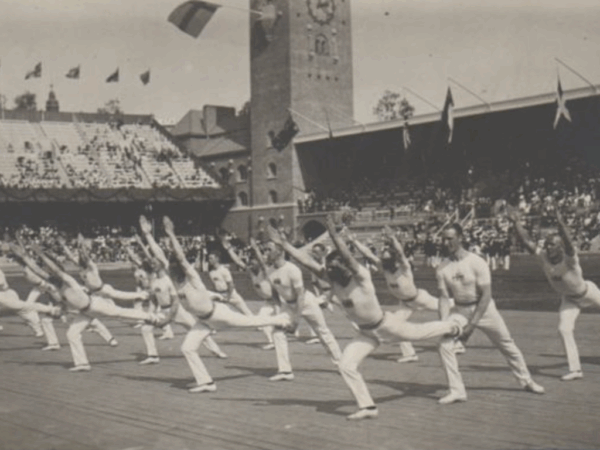
Swedish Gymnastics at the Olympic Games
The Swedish gymnastics of Pehr Henrik Ling consisted of four branches: military (fencing), medical (physiotherapy), pedagogical (physical education) and aesthetic (dance). For the latter two, the system emphasised floor exercises along with “Swedish bars” (attached …
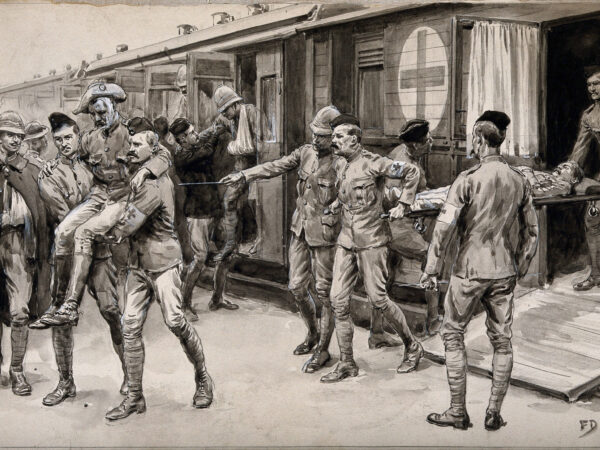
Physiotherapy’s First War
The First World War is considered the turning point for the institutionalisation and expansion of the physiotherapy profession. The sheer volume of injured personnel created by the mechanisation of arms, combined with emerging government social …
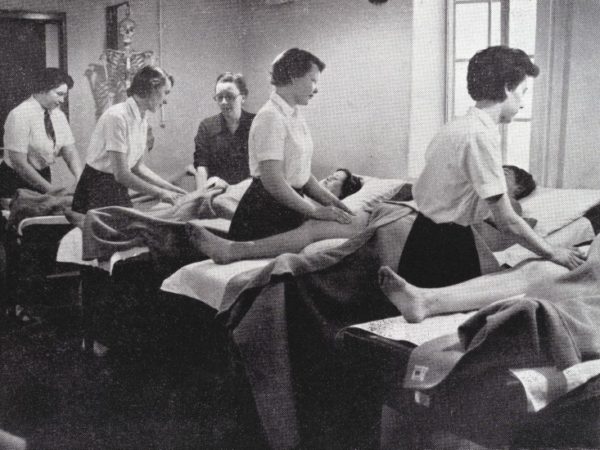
‘Essays on Massage History 1750 – 1950’: Book Review
As an adjunct health service or a junior partner to medicine, massage has oft lacked respect. So much so, that even its own history has remained poorly understood. Massage needed someone to come along to …
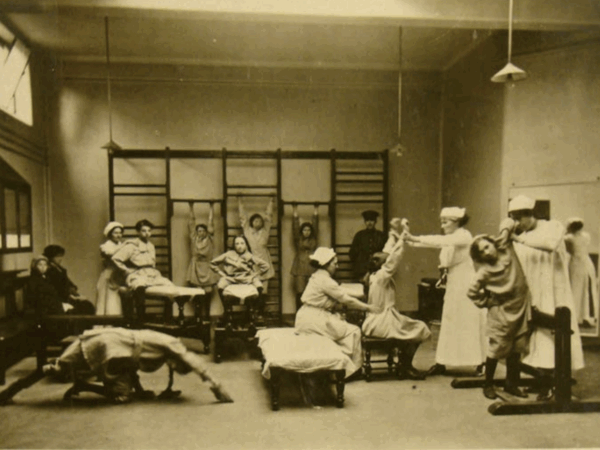
Dr Koch’s Emasculation and the Birth of Physiotherapy
The formation of the Society of Trained Masseuses (STM) by four British nurses in 1894 is often opined as the beginning of the physiotherapy profession (Ottoson, 2015). In support, physiotherapy historian and critical thinker Dave …
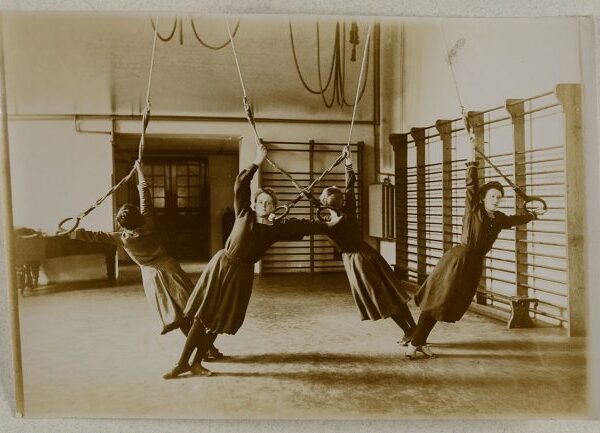
Executive Half Year Report – June 2025
The Executive Committee met on three occasions by Zoom teleconference in the first half of 2025. During this period we farewelled Ryan McGrath (Australia) and welcomed new member Ken Miller (USA). The current Executive Committee …
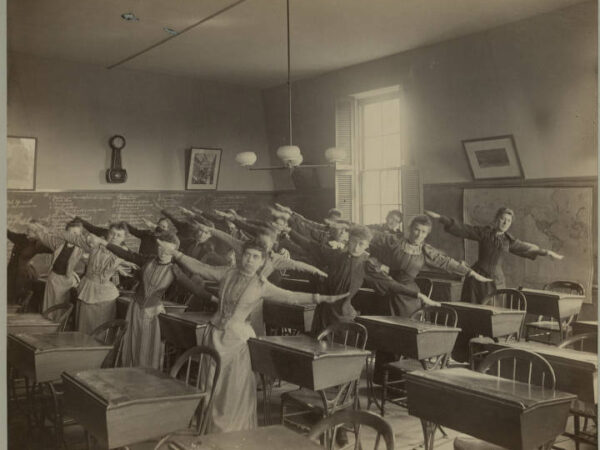
American Physical Therapy Before the War
The commonly accepted premise of the origins of the physical therapy profession in the United States is that it began in response to the First World War (Hansson & Ottosson, 2015). This understanding has likely …
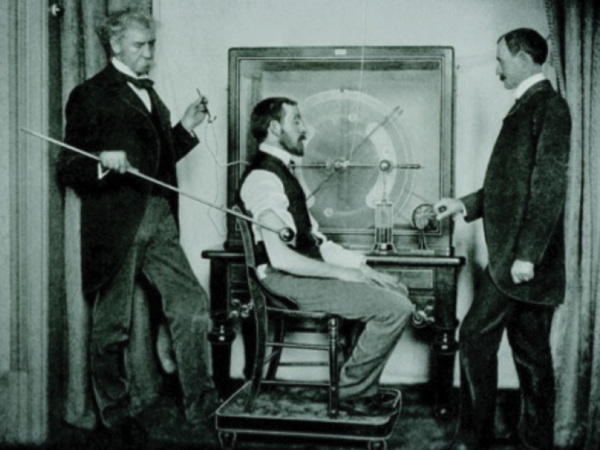
Dubious Electrotherapy
The word physiotherapy was used by many different practitioners in the first part of the twentieth century; including French physicians, American electrotherapeutists and later British radiologists as medical radiation was first grouped with electrotherapy. The …

On the Origins of Netball
The international game of netball can trace its popularity and codification to a unique college of Swedish gymnastics in the United Kingdom at the turn of the nineteenth century. The all-female college was also at …

Dr Bum’s Famous Institute of Mechanotherapy
The term ‘mechanotherapy’ was introduced by Swedish physician Gustav Zander to define a method of treating certain illnesses through massage and exercise, particularly using mechanical equipment. The exercises were drawn from the work of countryman …
You must be logged in to post a comment.