

On the 20th Anniversary, a review of the impact of the 2005 earthquake on the physiotherapy profession in Pakistan.
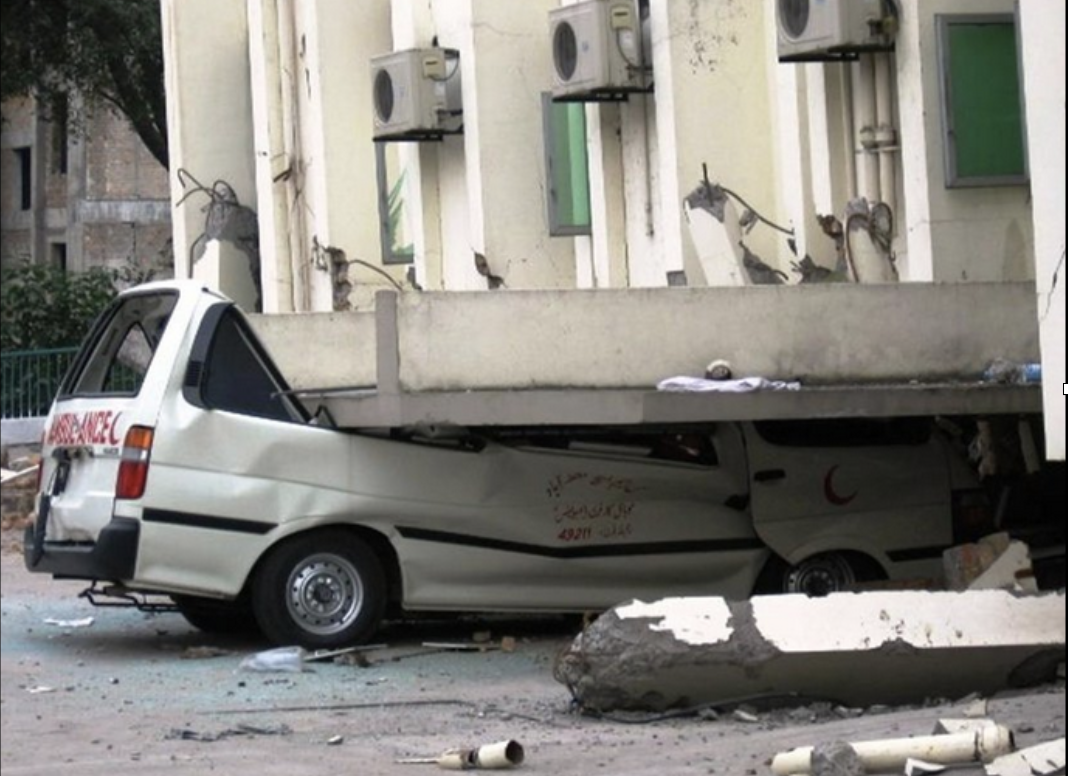
On 8 October 2005 an earthquake of magnitude 7.6 points on the Richter scale shook the hills and mountains of Azad Jammu and Kashmir in Pakistan. This devastating event was a catastrophic disaster, causing 73,000 to 87,000 deaths and leaving more than 138,000 people injured.
A significant number of the survivors suffered from spinal cord injuries, amputations, fractures, and neurological impairments, creating an urgent need for long-term rehabilitation. This crisis marked a turning point for physiotherapy in Pakistan, as the demand for rehabilitation services exponentially increased.
Damage
The earthquake destroyed or severely damaged more than 780,000 buildings, including homes, leaving 3.5 million people without shelter. Schools, hospitals, and government facilities were also destroyed, disrupting essential services such as healthcare and education.
Extensive damage to roads, bridges, water supply systems, power grids, and telecommunication networks delayed rescue and recovery. Overall the earthquake caused significant economic disruption, with losses estimated to be equivalent to 2.6% of Pakistan’s GDP at the time. The earthquake also had a profound psychological impact on survivors and affected communities.
Response
In the immediate aftermath, teams from Pakistan and other countries worked tirelessly to rescue people trapped under the rubble. Emergency medical care was provided to the injured, with field hospitals set up and supplies flown in. Tents, food, water, and blankets were distributed to those who had lost their homes.
There was a focus on providing rehabilitation services to the affected population. These services were multifaceted, addressing immediate needs as well as long-term recovery.
Rehabilitation Services
Rehabilitation services included physiotherapy, occupational therapy, and provision of assistive devices (like wheelchairs and prosthetics) to help people regain mobility and independence. Counselling and psychological services were offered to help survivors cope with trauma, loss, and displacement. Efforts were made to help people rebuild their lives, including providing job training, micro-loans, and support for rebuilding homes and businesses.
Long-Term Reconstruction and Development:
A major focus was on rebuilding homes and infrastructure, with many organisations involved in constructing earthquake-resistant housing. Schools were rebuilt and efforts made to ensure children could resume their education. Roads, bridges, and public utilities were repaired and reconstructed.
The Establishment of ERRA
In response to the disaster the Government of Pakistan established the Earthquake Reconstruction and Rehabilitation Authority (ERRA) to lead the rebuilding efforts. In north-western Pakistan, ERRA coordinated its largest operation to rebuild and reconstruct the 28,000 km2 earthquake effected area (equalling the size of the Netherlands and Belgium together).
Recognising the essential role of physiotherapy in post-earthquake rehabilitation, the government took a historic step by announcing one hundred vacancies for physiotherapists. This was one of the first large-scale government recruitment in the field, signifying a major policy shift that acknowledged physiotherapy as a vital part of healthcare and disaster management. ERRA also facilitated the establishment of rehabilitation centres in affected areas, ensuring long-term support for survivors.
Role of International Organisations and NGO’s
Several international organisations and NGO’s played a crucial role in the development of physiotherapy in Pakistan during and after the earthquake, including:
World Health Organisation (WHO) provided rehabilitation guidelines and technical support. The International Committee of the Red Cross (ICRC) assisted in setting up physiotherapy units and training local professionals. Handicap International & Other NGOs provided prosthetics, orthotics, and physiotherapy training programs for earthquake survivors. These efforts not only helped in the immediate rehabilitation of injured individuals but also strengthened the physiotherapy profession in Pakistan by introducing international best practices.
Expansion of Physiotherapy Education
Before 2005, physiotherapy was a relatively underdeveloped field in Pakistan, with only a few institutions offering diploma-level programs.
The devastating earthquake in Pakistan in 2005 had a profound impact on the physiotherapy profession in the country. The earthquake resulted in a massive number of individuals with severe injuries, including fractures, spinal cord injuries, and amputations. This led to a dramatic increase in the demand for physiotherapy services to help these individuals recover and regain functionality.
The earthquake highlighted the critical need for comprehensive rehabilitation services, with physiotherapy playing a central role. This led to a greater emphasis on the importance of physiotherapy in disaster response and recovery efforts.
The earthquake also exposed significant challenges in delivering physiotherapy services in the aftermath of a disaster. Many hospitals and clinics were damaged or destroyed, making it difficult for people to access necessary medical care, including physiotherapy. The sudden surge in demand for physiotherapy services strained the existing resources, highlighting the need for more trained professionals. The earthquake also raised awareness about the importance of physiotherapy among the general public and policymakers. This led to greater recognition of the profession’s value in rehabilitation and long-term care.
In the wake of the earthquake, efforts were made to improve the training and education of physiotherapists in Pakistan. This included a focus on disaster preparedness and rehabilitation techniques to better equip professionals to handle similar situations in the future. The earthquake also spurred the development of tele-rehabilitation services, which utilise technology to provide remote physiotherapy care. This approach proved particularly valuable in reaching individuals in remote areas or those with limited mobility.
Overall, the 2005 earthquake served as a opportunity for the advancement of the physiotherapy profession in Pakistan. It highlighted the critical role of physiotherapy in disaster response and rehabilitation, while also exposing existing challenges and prompting improvements in training, service delivery, and awareness.
After the earthquake, the increased demand for rehabilitation services led to significant advancements in physiotherapy education. Many universities and medical colleges transitioned to more advanced evidence based Doctor of Physiotherapy (DPT) programs from bachelors educational programs in subsequent years. Hospitals established new rehabilitation centres and physiotherapy departments in specialised fields such as neuro-rehabilitation, musculoskeletal physiotherapy, and orthopaedic rehabilitation using evidence based practice.
There is increased awareness of physiotherapists role in healthcare including contribution in post-surgical recovery, chronic disease management, and disaster response leading to interdisciplinary collaboration fostering more research-driven physiotherapy profession. This increased career opportunities and strengthened its role within the modern healthcare system. The 2005 earthquake was a turning point for the growth of physiotherapy in Pakistan.
Conclusion
The 2005 earthquake played a pivotal role in shaping the physiotherapy profession in Pakistan. The devastating number of musculoskeletal injuries and disabilities after the disaster highlighted the need of specialised rehabilitation services, bringing physiotherapy to the forefront of rehabilitation sciences. Today, physiotherapists continue to play a vital role in patient recovery, disability management, and disaster rehabilitation, ultimately became a historic incidence for policy reforms, increased professional recognition, and lasting advancements in the field.
NB: Written with assistance from Fajar Arif.
