
Tag: C20th
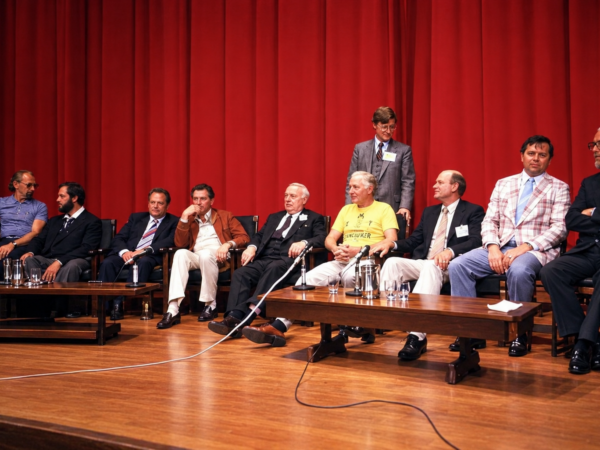
Derangement from Cyriax to McKenzie
You may have heard the term “derangement” and immediately thought of Robin McKenzie’s Derangement Syndrome. But the story of the term goes back further. McKenzie was strongly influenced by the work of British orthopaedic surgeon …
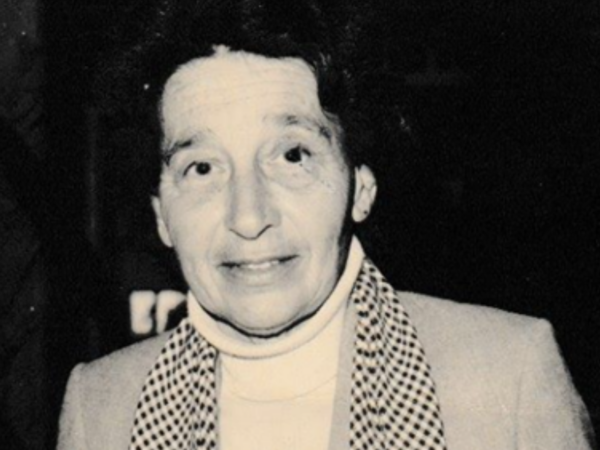
Agnes Wenham – Paediatric Pioneer
Agnes Wenham, a physiotherapist who trained in Sweden and England, was a well-known character in the profession, especially in Johannesburg, where she practised for many years. She moved to South Africa from the United Kingdom as …
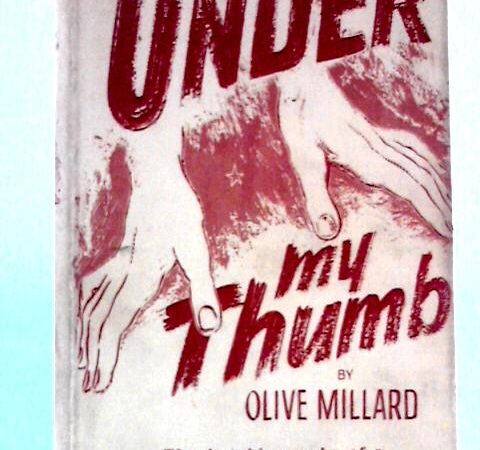
Olive Millard – An Extraordinary Life
It is rare to find physiotherapists writing about their experiences (Nicholls, 2021), which makes Olive Millard’s (1952) autobiography Under My Thumb so important. A summary of Millard’s professional career is written by Goldstone (2024) and …
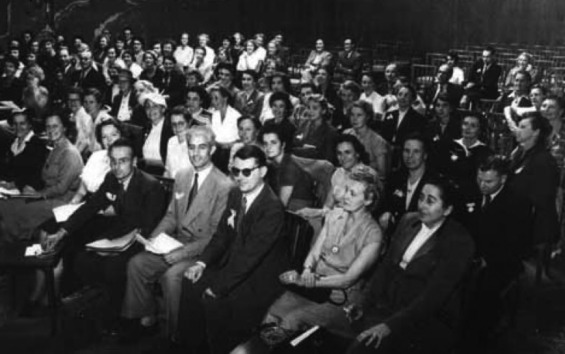
The Making of World Physiotherapy
On the 8th September 1951, delegates representing seventeen national physiotherapy associations met in Copenhagen, Denmark to establish the World Confederation for Physical Therapy (WCPT); now World Physiotherapy. Seventy-five years later it represents more than 600,000 …
Eliza McAuley – Pioneering Educator
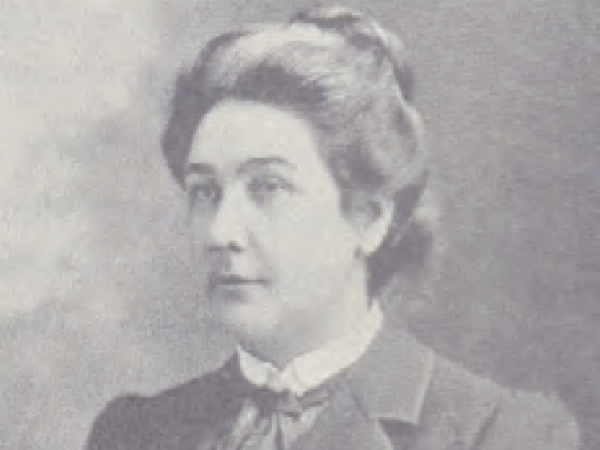
Eliza McAuley was born on 1866 in Upper Plenty, Australia – a rural area just north of Melbourne, Victoria. Her background is unclear, with her father identified both as a farmer (McMeeken, 2016a) and a …
The Lingiad
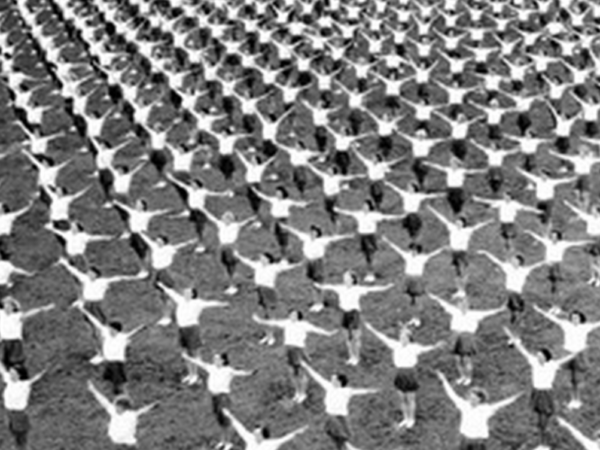
An international gymnastics display, with 7,399 participants from twelve countries, was held in Stockholm in 1939 to commemorate the centenary of the death of Per Henrik Ling (1776–1839), the founder of Ling gymnastics (Meckbach & …
The Lumbar Shift Correction
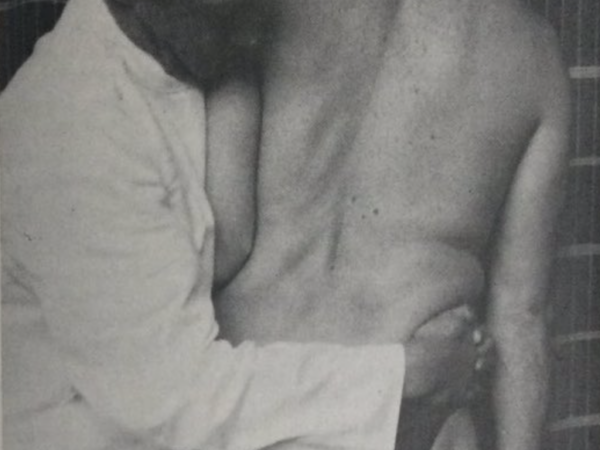
Understanding how manual therapy techniques evolve over time deepens our grasp of clinical reasoning and safe application. Lumbar shift correction, also called lateral shift correction or “pig shift” in informal clinical slang (because the position …
Physical Technique: Witness Seminar
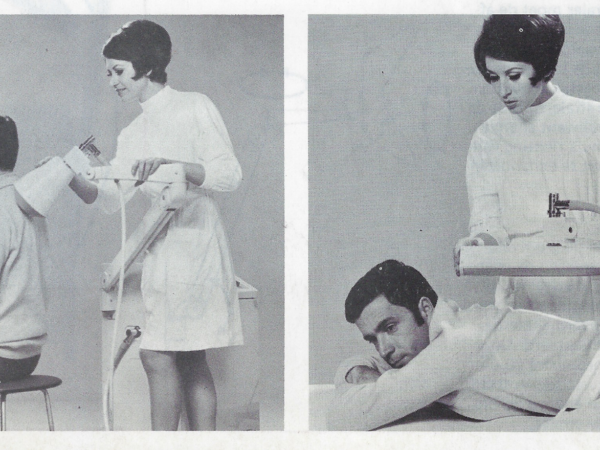
Physical technique as a treatment method in physiotherapy: from core component to peripheral phenomenon. Report of the first witness seminar on physiotherapy. Original article provided in Dutch. Translated by Claude.ai Authors: Heleen Beckerman, chair of …
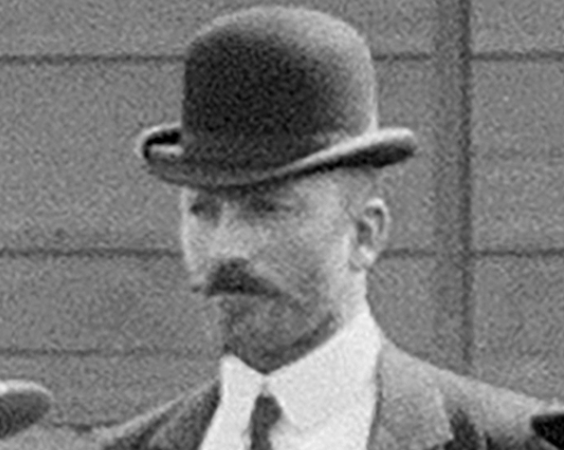
Best-Known Man in Adelaide
On the 17th January 1890, 21-year-old Hugo Leschen of Adelaide, South Australia was travelling to Stockport on the North train. Just as the steam engine pulled into the station a commotion broke out in a …
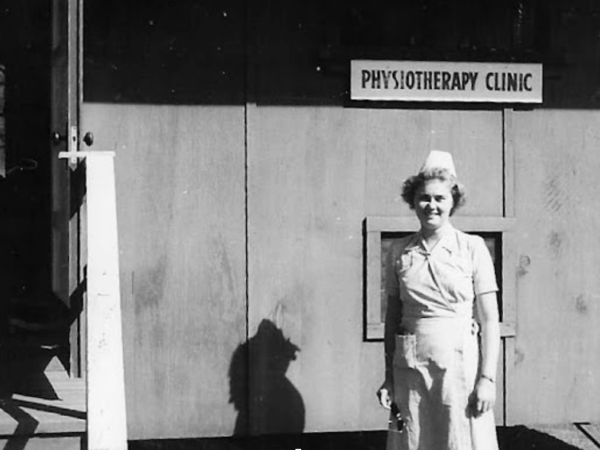
How US Army Physical Therapy Pioneered Direct Access
The untold story of how war, necessity, and innovation transformed physiotherapy forever. When today’s US physical therapists evaluate a patient without a referral, few realise that the roots of this autonomy stretch back to the …