
Tag: C20th
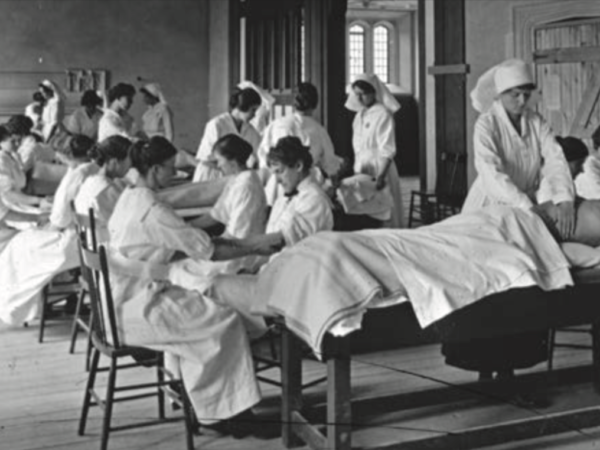
The Waning Touch of Massage
As old as humanity, massage reached its peak or ‘golden age’ in a seventy year period from the late 19th century through to the mid 20th century. Its rise is often attributed to Swede Pehr …
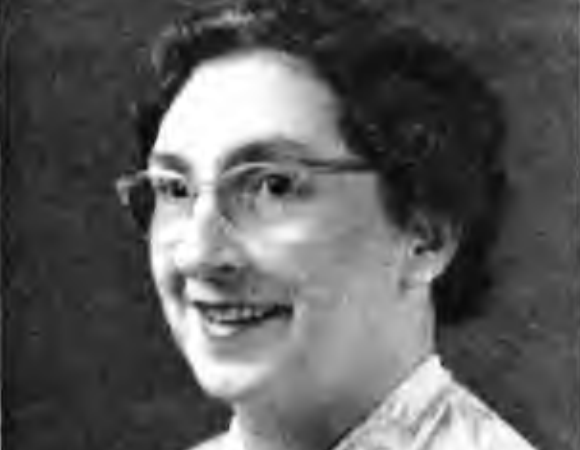
The Indefatigable Miss Neilson
Many non-physiotherapists have contributed to the advancement of the physiotherapy profession. Primarily they are in the form of other health professionals, like medical practitioners, nurses and exercise therapists, who challenge and progress the technical aspects …

Earthquake in Pakistan
On the 20th Anniversary, a review of the impact of the 2005 earthquake on the physiotherapy profession in Pakistan. On 8 October 2005 an earthquake of magnitude 7.6 points on the Richter scale shook the …
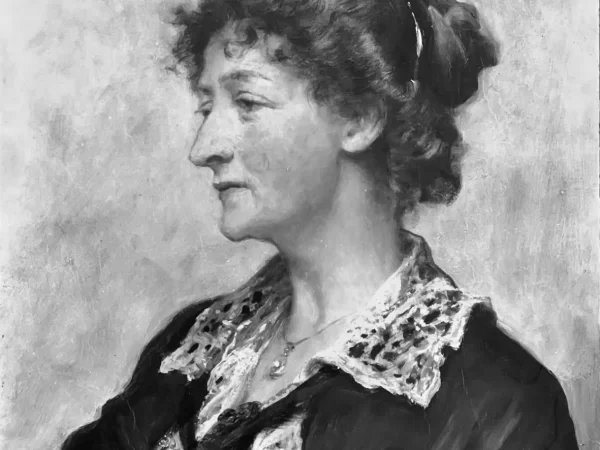
Justina Wilson – Twice the Fellow
The following obituary of Justina Wilson was published in the British Medical Journal in 1950. Whilst incorrect in some minor areas and lacking in others, it nevertheless demonstrates her extraordinary physiotherapy and medical achievements, and …
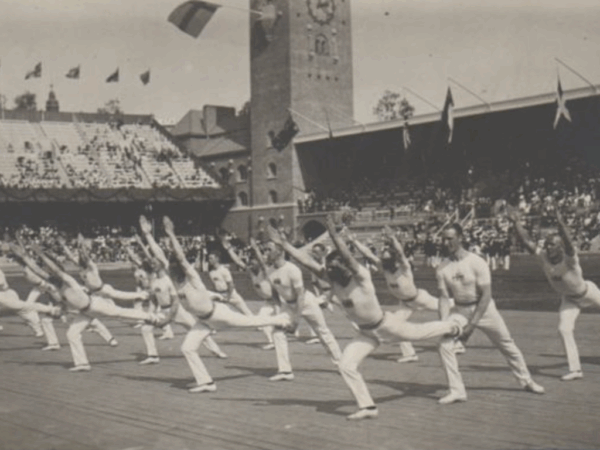
Swedish Gymnastics at the Olympic Games
The Swedish gymnastics of Pehr Henrik Ling consisted of four branches: military (fencing), medical (physiotherapy), pedagogical (physical education) and aesthetic (dance). For the latter two, the system emphasised floor exercises along with “Swedish bars” (attached …
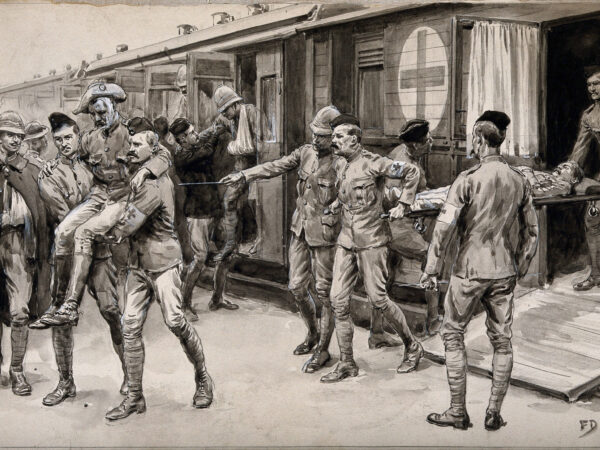
Physiotherapy’s First War
The First World War is considered the turning point for the institutionalisation and expansion of the physiotherapy profession. The sheer volume of injured personnel created by the mechanisation of arms, combined with emerging government social …
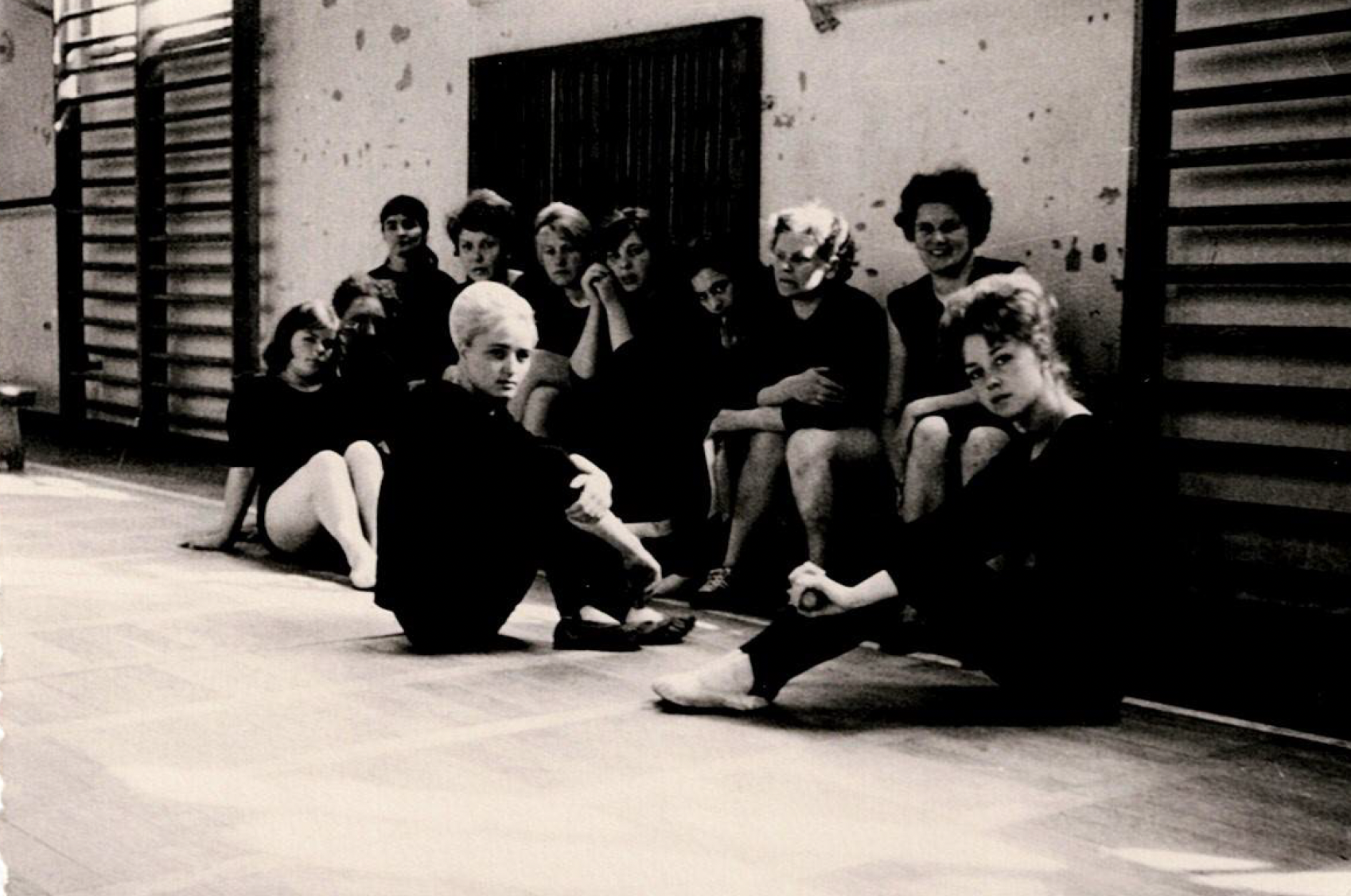
Studying Physiotherapy Behind the Iron Curtain
My vocational training as a physiotherapist in the German Democratic Republic (GDR) offered me my first internship in 1968 at a Saxon Thermal Bath, a leading spa facility in the GDR for rheumatic diseases, specialising …
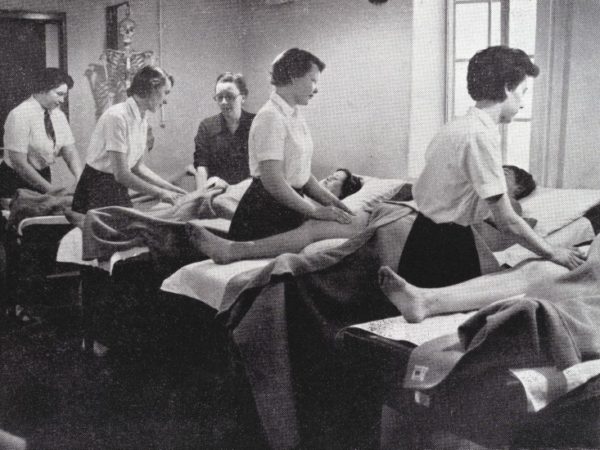
‘Essays on Massage History 1750 – 1950’: Book Review
As an adjunct health service or a junior partner to medicine, massage has oft lacked respect. So much so, that even its own history has remained poorly understood. Massage needed someone to come along to …
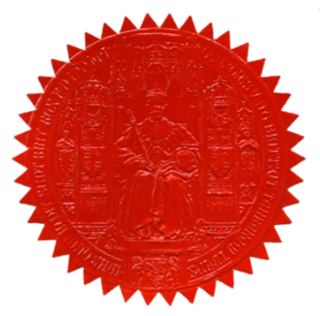
A Royal Charter
The original roots of the Chartered Society of Physiotherapy (CSP) in the United Kingdom date back to the foundation of the Society of Trained Masseuses (STM) in 1894. In 1900, the Society was incorporated by the …
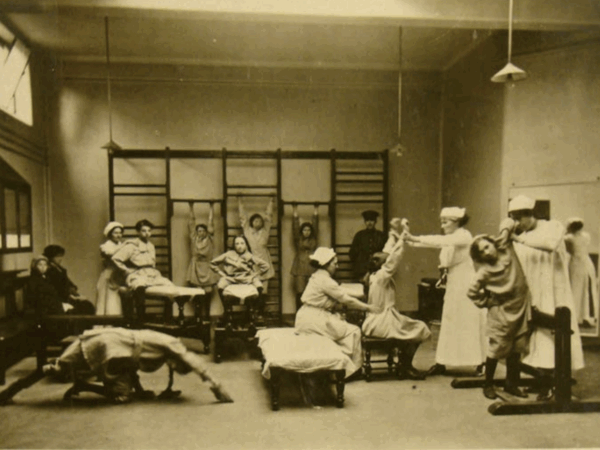
Dr Koch’s Emasculation and the Birth of Physiotherapy
The formation of the Society of Trained Masseuses (STM) by four British nurses in 1894 is often opined as the beginning of the physiotherapy profession (Ottoson, 2015). In support, physiotherapy historian and critical thinker Dave …
You must be logged in to post a comment.