
Tag: gymnastics
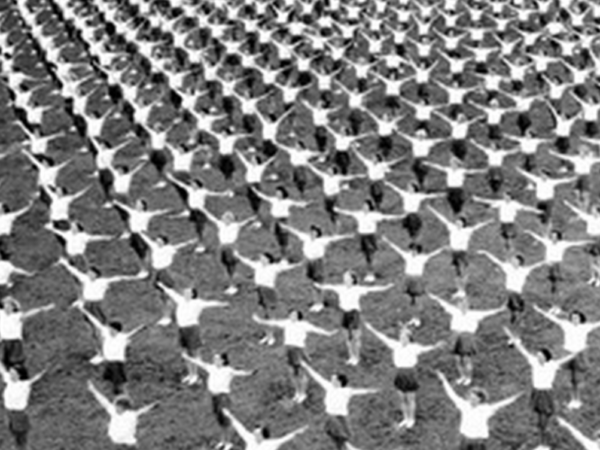
The Lingiad
An international gymnastics display, with 7,399 participants from twelve countries, was held in Stockholm in 1939 to commemorate the centenary of the death of Per Henrik Ling (1776–1839), the founder of Ling gymnastics (Meckbach & …
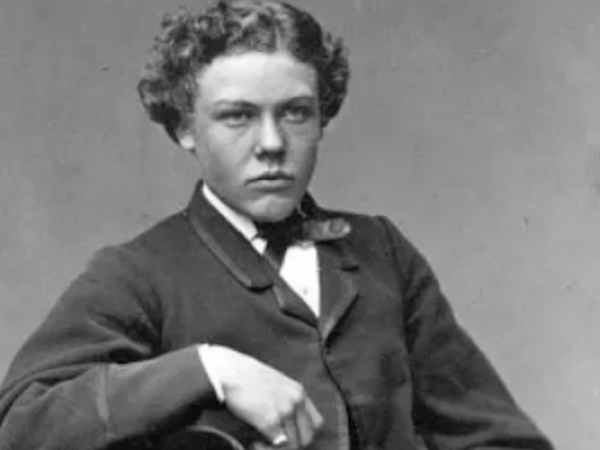
Prince of Physiotherapy
Arvid Kellgren was born in 1856, son of Captain Jonas Henrik Kellgren and younger brother of Henrik Kellgren – the ‘father of manual therapy’ (Ottosson, 2026). After graduating from high school in the rural town of …
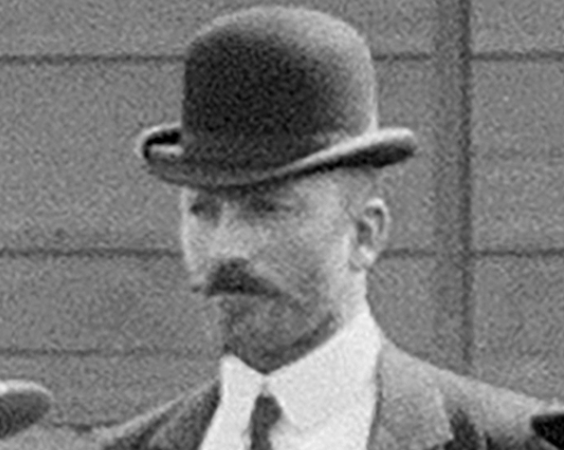
Best-Known Man in Adelaide
On the 17th January 1890, 21-year-old Hugo Leschen of Adelaide, South Australia was travelling to Stockport on the North train. Just as the steam engine pulled into the station a commotion broke out in a …

Stolen Statue
In 1812, the Swedish government approved Pehr Henrik Ling’s application to teach gymnastics in Stockholm and receive a salary and premises through state assistance. Ling had developed a comprehensive system that included pedagogical (physical education), …
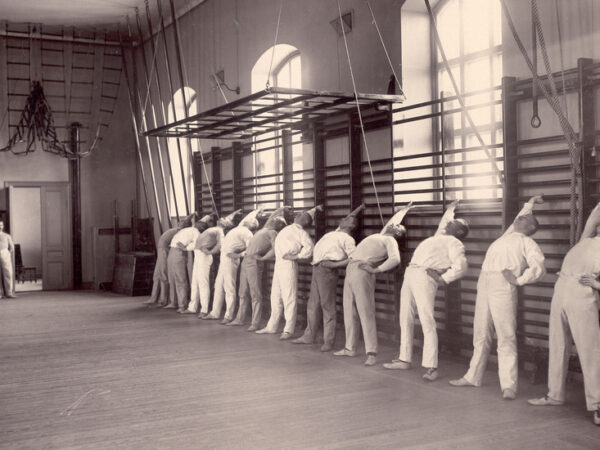
Royal Central Institute for Gymnastics
In the early 1800s as the Napoleonic Wars were reshaping the European map. Sweden had Finland and its’ eastern provinces ceded to Russia, and to the west the Swedish-Norwegian union occurred. It was shock to …
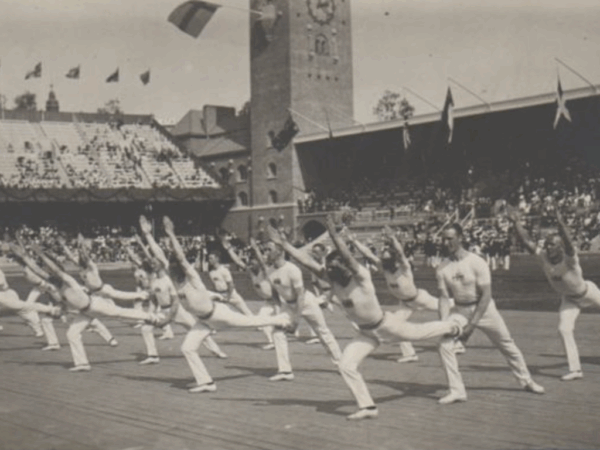
Swedish Gymnastics at the Olympic Games
The Swedish gymnastics of Pehr Henrik Ling consisted of four branches: military (fencing), medical (physiotherapy), pedagogical (physical education) and aesthetic (dance). For the latter two, the system emphasised floor exercises along with “Swedish bars” (attached …
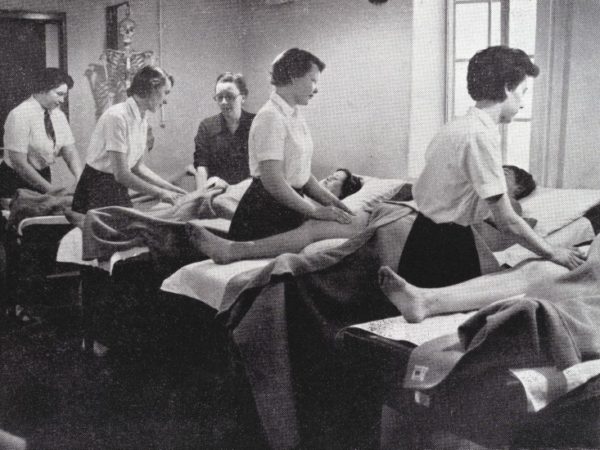
‘Essays on Massage History 1750 – 1950’: Book Review
As an adjunct health service or a junior partner to medicine, massage has oft lacked respect. So much so, that even its own history has remained poorly understood. Massage needed someone to come along to …
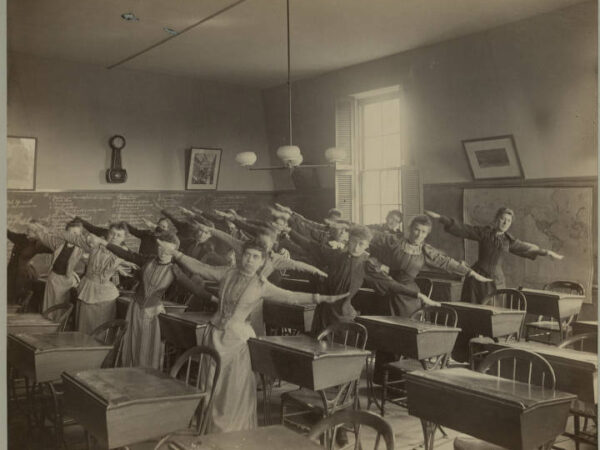
American Physical Therapy Before the War
The commonly accepted premise of the origins of the physical therapy profession in the United States is that it began in response to the First World War (Hansson & Ottosson, 2015). This understanding has likely …

On the Origins of Netball
The international game of netball can trace its popularity and codification to a unique college of Swedish gymnastics in the United Kingdom at the turn of the nineteenth century. The all-female college was also at …

Dr Bum’s Famous Institute of Mechanotherapy
The term ‘mechanotherapy’ was introduced by Swedish physician Gustav Zander to define a method of treating certain illnesses through massage and exercise, particularly using mechanical equipment. The exercises were drawn from the work of countryman …
You must be logged in to post a comment.