

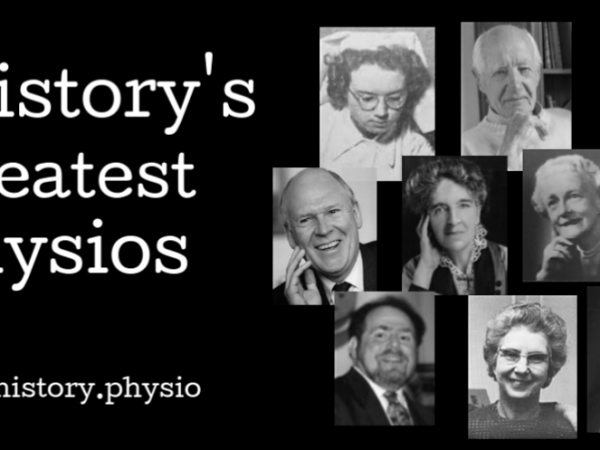
History’s Greatest Physios
On the 125th anniversary year of the commencement of the Society of Trained Masseuses in the United Kingdom, one of the seminal moments in the history of the profession, the International Physiotherapy History Association (IPHA) …
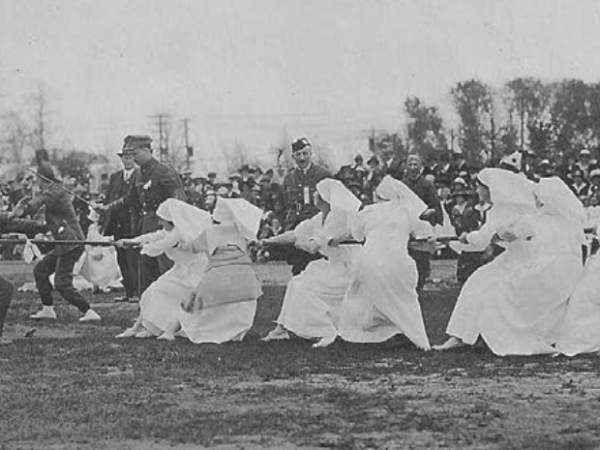
History’s Greatest Physios – Shortlist Announced
UPDATE: The Winners will be announced early, on 14 November 2019. In this 125th anniversary year of the commencement of the Society of Trained Masseuses in the United Kingdom, arguably the beginning of the profession, …
Robin McKenzie: History’s Greatest Physios – People’s Choice Award
Robin McKenzie has received many awards, honours and titles during his career, and added to them is the International Physiotherapy History Association’s History’s Greatest Physios – People’s Choice Award. The Award is based on the …
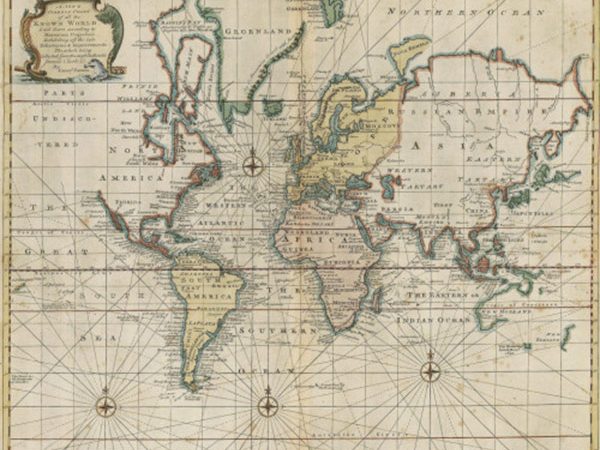
New Links to a World of Physio History
With some intrepid searching and a lot of time, members of the IPHA Exec have brought together some interesting links to the history of physiotherapy around the globe. The links are listed alphabetically by their …
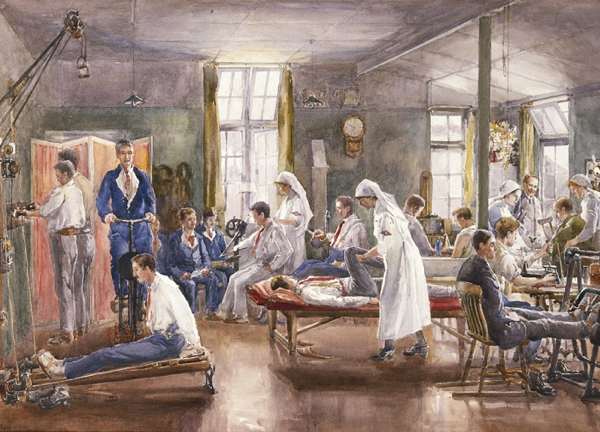
Analysis of Physiotherapy through Art History
We are well accustomed to photographs of World War I physiotherapy wards. Busy rooms, filled with rehabilitating soldiers offer a glimpse into a past world and the beginnings of a new profession. In contrast, a painting …
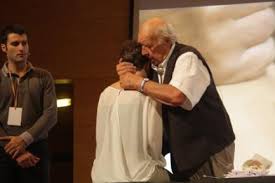
Obituary: Freddy Kaltenborn (1923-2019)
A giant has died, the likes of which we will see no more. He was the right man at the right time. Physical Therapy had not yet become a profession when in the 1950’s Freddy …
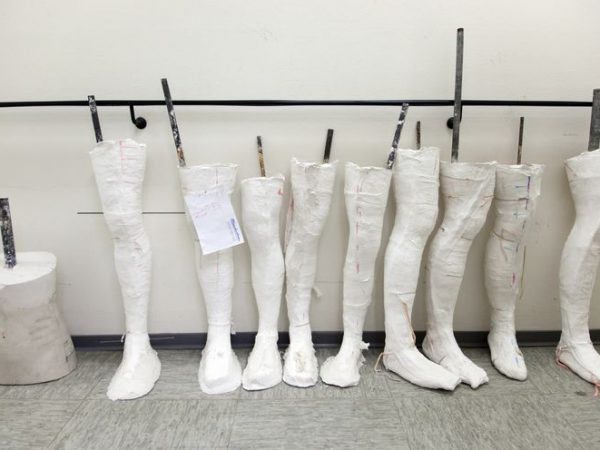
Plaster of Paris
Immobilisation of injured limbs has been performed for thousands of years and starch-based casts were the standard treatment, with only minor changes, until the beginning of the 19th century. Many centuries before it was introduced as …

Origins of the Bad Ragaz Ring Method
The waters of Bad (Bath) Ragaz, Switzerland enjoy a long history of healing, which began in 1240 when hunters from the local monastery discovered an extraordinary warm thermal spring in the Tamina Gorge, close to …
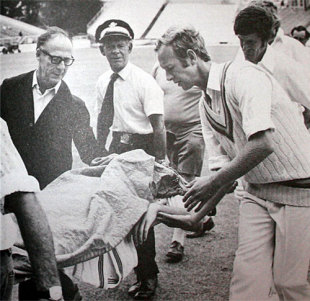
A Heart Stopping Game
Physios are like goal keepers and umpires: you don’t notice the good ones. A shell shocked and broken England cricket team was touring New Zealand in February 1975 for a two match test series. Having …

The Man in the Middle of Modern American Physical Therapy
I think one of the best things PTs can do when they come out of school [is to] go in a hospital. Work inpatient/outpatient. Learn the medical side of things. Learn things about illness, learn …
You must be logged in to post a comment.