
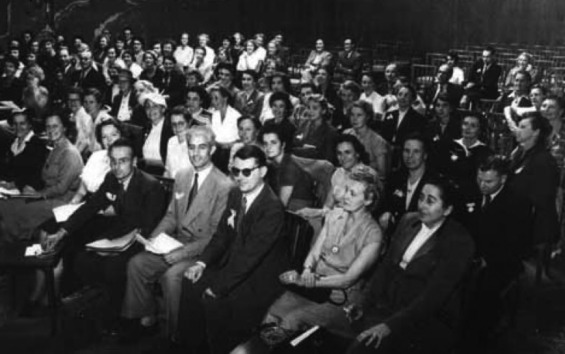
The Making of the World Confederation for Physical Therapy
By Glenn Ruscoe
With thanks to Magda Fourie, Cameron McDonald, Katri Partanen, Michael Poulsen, Remi Remondière, Judit Sami, Sandra Schiller and Ronald Valk.
Introduction
World Physiotherapy (previously known as the World Confederation for Physical Therapy) is the sole international voice for national physiotherapy associations. On the 75th anniversary of its foundation, we seek to explore the process of its formation. This is not a review of the history of World Physiotherapy, which has been well documented (Crompton, 2001, 2011; “Hands Across the Sea”, 1994; Michels, 1975; Myers, 2006), but an exploration of the events and key individuals that led the foundation of the World Confederation for Physical Therapy (WCPT) on 8th September 1951.
International Collaboration
International collaboration in physiotherapy is as old as modern physiotherapy itself. In the mid to late nineteenth century the disciples and zealots of Swede Pehr Henrik Ling spread knowledge of the ‘Movement Cure’ or ‘Swedish Gymnastics’ across Europe and to other parts of the world (Bergqvist, 1913; Ottosson, 2015; Schöler, 2005; Wanneberg, 2018). Similarly, in the early twentieth century members of the UK’s Society of Trained Masseuses migrated around the globe seeking new opportunities and sharing their knowledge (Graham, 1940; McFarlane, 1985). Reciprocally, individual students and practitioners from abroad travelled to Sweden and England to gain the learnings and/or prestigious qualifications before returning home to practice (Pettman, 2007; Schöler, 2005; Wanneberg, 2018).
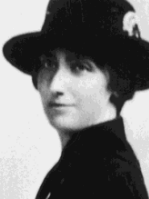
Mary McMillan
One remarkable international student was American Mary McMillan, who practiced, taught and provided leadership across the three continents of Europe, North America and Asia in the first half of the twentieth century (Elson, 1964). Having achieved notoriety and respect for her roles in organising and educating physiotherapy reconstruction aides for the US Army in the First World War, and becoming the presiding founder of the American Women’s Physical Therapy Association in 1921 (renamed the American Physiotherapy Association in 1922), McMillan had greater ambitions for physiotherapy across civilian populations. Unfortunately, her efforts were stymied by the Second World War and subsequent Cold War geopolitics. Acknowledging McMillan as a ‘pre-founder’ inaugural WCPT President, Mildred Elson (1964) said,
The organization of the World Confederation for Physical Therapy … was a fulfilment to her of an unfinished mission.”
During the interwar years of the twentieth century international physiotherapy collaboration became more organised. Groups of members of the UK’s Chartered Society of Massage and Medical Gymnastics (CSMMG) (earlier the Society of Trained Masseurs and later the Chartered Society of Physiotherapy) travelled to the European continent for conferences and study tours. For example, in 1928 they attended the first International Conference on Light and visited the famous sun centre of Dr Auguste Rollier for the treatment of tuberculosis, near Lausanne, Switzerland; and in the early 1930’s visited Professor Bohler’s fracture clinic at the Vienna Accident Hospital in Austria, the spa town of Pistany now in Slovakia, famous for its healing mud; the Finsen Light Institute in Copenhagen, Denmark; and Dr Arvedson’s gymnastics school in Stockholm, Sweden (Barclay, 1994).
Formalisation
In 1937 five members of the CSMMG attended the International Congress of Massage in Paris (Barclay, 1994), organised by the Chambre Syndicale des Auxiliaires Medicaux (Union of Medical Auxiliaries) (Nuijten, 1948a). The event took place within the framework of the Paris World’s Fair under the patronage of the French medical profession (Hasler & Zwyssig, 2019). The following year a second congress was held in Brussels where the formalisation of international collaboration between physiotherapy associations occurred with the foundation of the Comete Internationale Permanet des Congres de Masseur-Kinésithérapie, de Podologie and D’Auxiliaries Medican (International Federation of Physiotherapists, Chiropodists and Medical Auxiliaries) (IF). Consisting of professional organisations from Western Europe – France, Belgium, Luxembourg, Switzerland, the Netherlands and Germany (Nuitjen, 1948b); it represented multiple professions, and three physiotherapy associations from both France and Belgium (“International Physiotherapy”, 1951). The French and Belgian physiotherapy associations operated differently, some more in the scientific field, others more in the economic field; and the groupings usually originated from the various training institutions (“Minutes”, 1950).
A third congress was held in Stuttgart, Germany in 1939 with over a thousand registrants (“Minutes”, 1940). Despite the peaceful words at the congress, the work of the IF was interrupted by the Second World War (1939-1945). Thereafter congresses resumed, taking place in Brussels in 1946, Amsterdam in 1947, and Luxembourg in 1948. The Amsterdam Congress had participation from Sweden and the United Kingdom, who had been invited to join the IF (Morice & Dupuis-Deltor, 1948; Nuitjen, 1948a).
Outside Western Europe other physiotherapy associations were also reaching out to their regional and cultural colleagues. The Nordic physiotherapy associations of Denmark, Finland, Norway and Sweden established official relations in the 1940s (Puro, 2023). The Canadian Physiotherapy Association, who had had a long history of regional relations with its neighbouring US, began to collaborate with other British Commonwealth nations of Australia, New Zealand and England (Cleather, 1995). Likewise, invitations to annual meetings were extended from the American Physiotherapy Association to English, Canadian and Australian professional organisations and these countries often sent representatives (Barclay, 1994; Hazenhyer, 1946).
During the Second World War physical therapists of the Medical Department of the United States Army stationed in England were offered hospitality and courtesies from the Chartered Society of Physiotherapy (CSP) (Cole, 1946). They attended professional development sessions of local CSP branches and the Society’s conferences; and visited, observed and worked in British hospitals. Reciprocally, many US military hospitals employed members of the CSP to augment physical therapy staff when the increased volume of work became too much for the personnel available (Cole, 1947). First Lieutenant Olena Cole (1946) reported that fifteen US Army physical therapists stationed in the UK attended the CSP’s annual conference in 1943, saying,
During the conference a closer cooperation between American and British physical therapists was suggested by Miss D. Worsfold, Director of the Chartered Society, and plans were formulated for accomplishing this mutual desire.”
The American’s reciprocated the desire for closer cooperation. In the 1945-46 Annual report of the President of the American Physiotherapy Association, Jessie L Stevenson (1946), said,
During the past year [membership] reciprocity has been discussed with The Chartered Society of Physiotherapy in England, the Canadian Physiotherapy Association, and the Australian Physiotherapy Association”.
The US and UK national associations had also agreed on a program for reciprocal working rights for physiotherapists; however the plan was stymied by the US State Department (Copeman, 1947; Elson, 1948).

Mildred Elson
Nevertheless with increasing numbers of international visitors to the American office, Executive Director Mildred Elson (1948) said there was the, “..beginning of international relationships which we hope will develop into an international association of physical therapy societies.”
The study of these historical inter and intra-professional associations exemplifies a search of the common good in the developing physiotherapy, and like, professions. The goodwill generated from these endeavours, despite the substantial limitations imposed by the Second World War, and other geopolitical imperatives, make it clear that an ongoing drive to connect, support and uplift physiotherapy practice globally was present, just needing the appropriate catalyst to move towards a formalisation of a global compact.
Preparations

Muriel Jane (MJ) Neilson
Having replaced Worsfold, Muriel (MJ) Neilson, Secretary General of the CSP, travelled to the US in early 1947 to meet with Elson. Elson said that the two executives shared a desire for world-wide standards of physiotherapy, and described their meeting as, “the beginning of a most rewarding friendship and professional relationship” (Crompton, 2001). Whilst Elson was a physical therapist and Neilson an administrator, they had much in common. They were single, professional women; highly motivated and able; and had both progressed within their respective professional associations to become the first fully paid Executive Directors. In the mid-1940s, especially when men in large numbers were returning from the Second World War seeking work, their appointments alone were significant achievements. For example, Neilson beat 188 other applicants for her role; 162 of whom were men (Barclay, 1994).
Elson and Neilson’s ambitions tapped into the global zeitgeist. A surge of collective interest in international professional arrangements was an inevitable reaction to the horror, deprivations and residual societal infirmities of the Second World War (“Hands Across the Sea”, 1994). Elson said,
It was recognised universally, however, that if peace and stability were to be attained, all must work a share to alleviate these problems” (Crompton, 2001).
Several international organisations were established at the time, such as the United Nations and the World Health Organisation. From discussions with leaders of other organisations concerned with the physically handicapped, and recognising the pitfalls of inaction, the two felt there was no alternative to an international physiotherapy organisation. By banding together internationally the profession could do more for patients and the health of populations (Myers, 2006).
Chairman of the CSP, Dr William Copeman, announced at their 1947 Annual General Meeting plans for more formal international physiotherapy collaboration. He said,
The Establishment and General Purposes committee are investigating the possibility of inviting to our 1948 Congress representatives of Physiotherapists from abroad so as to lay the foundations of an International Association of Physiotherapists” (“Proceedings of Council”, 1947).
In attendance were two representatives of the Nederlands Genootschap voor Heilgymnastiek en Massageas (Dutch Society of Healing Gymnastics and Massage) and delegates from two French bodies of physiotherapists (Copeman, 1947). In response to the Chairman Copeman’s call the dual Dutch Society president and newly elected president of the IF, WP Nuitjen (1948b), asked Dutch Society delegates to consider,
..whether they generally wish to continue our good existing international relations and to remain faithful to our Belgian, Luxembourg, French and Swiss friends, or whether there is a tendency to move on to a possible new international organisation to be founded on the initiative of the English physiotherapists?”
Whilst providing contextual information to members, Nuitjen (1948a) expressed concerns regarding the differences in practice between Western Europe and England,
..the profession of physiotherapist occupies an entirely different place in England and is mainly in the hands of women. These work almost exclusively in hospitals and there is very little opportunity in England for a healing gymnast masseur or for a physiotherapist to set up his own practice.”
However, he considered any gender and practice concerns could be ameliorated by the potential access to English doctors (presumably male) who could add to the IF’s scientific interests. Other concerns of the IF included cultural differences (Hasler & Zwyssig, 2019) and the infrequency of the meetings of the proposed new organisation (4-5 yearly versus the IF’s annual) (“Minutes”, 1951).
In his capacity as president of the IF, Nuitjen (1948a) wrote to the CSP to inform them of the existing international relations and that it would not be desirable for a second international organisation to be formed; but that it would be gratifying if the CSP decided to join the IF. Reporting to the Dutch Society, Nuitjen (1948a) expressed satisfaction with the response to his letter but did not provide further details.
At their 1948 Luxembourg Congress, in anticipation of future objections from the CSP regarding the multi-professional nature of the IF, the physiotherapists separated from the chiropodists and medical auxiliaries, and renamed themselves the Fédération Internationale des Masseurs-Kinésitherapeutes (International Federation of Physiotherapists) (IFP) (Nuitjen, 1948a, 1948b; Morice & Dupuis-Deltor, 1948).
In a retrospective historical lens, the partial siloing of the physiotherapy profession; at the same time as the drive to a truly inclusive international organisation is seen. On one front the profession became less inter-professional, but more intra-professional geographically. Purpose moved forward from relationships and collegiality between professions, to the elevation and optimisation of the physiotherapy profession globally. With the catalyst of raising educational standards and intentional development of scientific practice, a table was being set for the modernisation of the physiotherapy profession on the global stage. The question of which table was to be chosen was still unclear, and whether energies beyond the individuals central to the potential incorporation were present.
Preliminary Meeting
At the 1948 CSP Annual Congress, representatives from the national physiotherapy associations of thirteen countries held a meeting to discuss global collaboration (“Association Activities”, 1951b; Chartered Society of Physiotherapy, 1948a; “Congress, 1948”, 1948; “Delegates to the Congress”, 1948; “International Physiotherapy”, 1951; Morice & Dupuis-Deltor, 1948). The officially represented countries were Australia, Belgium, Canada, Denmark, Finland, France, Great Britain, the Netherlands, India, Norway, South Africa, Sweden and the United States. The IFP was represented by their president WP Nuitjen, and also present were ‘visitors’, presumably conference attendees, from Germany and New Zealand.
J Lesser, a co-opted non-physiotherapist member of the CSP Council, chaired the meeting, which was part of the general program of the Congress and so attracted several dozen interested attendees (Chartered Society of Physiotherapy, 1948a; Morice & Dupuis-Deltor, 1948). After welcoming remarks from the chair, IFP president Nuitgen (1948a) began the meeting with a speech outlining the ten-year history of international physiotherapy collaboration and potentially usurped the Anglo-American initiative by inviting all of the other nations to join their existing group; including offering to agree to any requested changes in the organisation and its aims. The response of the meeting was mixed.
All the other delegates who spoke were in favour of having an international organisation to represent physiotherapists though opinions were divided on whether it would be better to build on the existing organisation or to set up a new one” (Chartered Society of Physiotherapy, 1948a).
Most of the delegates present had not heard of the IFP, nor had the authority to accept or reject the invitation (Chartered Society of Physiotherapy, 1948a). Furthermore, it was supported by all of the non-IFP delegates that any international association must be composed of only one member association from each country and that the member association be recognised as officially representing the qualified physiotherapists in that country; this was the policy followed by the International Nurses Association and thought worthy of replication (Elson, 1948).
The advanced starting position of the Anglo-American initiative felt like a fait-accompli to the IFP representatives. Ambushed by the pre-determined decisions, denied the opportunity to speak beyond three minutes and seemingly overwhelmed by every non-IFP association delegate being a woman, the French delegates reported to their members,
The cause of the “International Federation” seemed at this point seriously compromised, and one had the impression that the creation of a new Federation under the auspices of the Chartered [Society of Physiotherapy] was about to take place” (Morice & Dupuis-Deltor, 1948).
The outcome of what was at times a heated debate, was a proposal to elect a provisional committee to manage the next steps (Jacobsen, 2018). However, it was decided not to put this to the vote of the meeting because it would not be equitable given the majority in attendance (congress attendees) were members of the CSP and that further discussion was required (Chartered Society of Physiotherapy, 1948a).
That evening in a social setting where lengthier private conversations were possible the French IFP delegates felt they were better heard and their position acknowledged. Renee Morice and Jacques Dupuis-Deltor (1948) reported,
The news of the afternoon’s meeting was now known to all the Members present of the Chartered [Society of Physiotherapy], and all those with whom we had the opportunity to speak expressed their regret for the incidents that had occurred during the afternoon. It was then easier for us to explain privately what it had been impossible to bring out in a public meeting, given the limited time available, and to provide all the information we were denied about our organisations”.
A second meeting was held two days later with just the national association delegates. The Chair expressed regret regarding the previous meeting and advised attendees to “disregard any statement representatives had heard concerning an alleged ‘preparation’” (Morice & Dupuis-Deltor, 1948). It was thus resolved that a provisional committee of four of the official delegates would be set up to manage further activities (Chartered Society of Physiotherapy, 1948b). The ballot elected Mildred Elson (Chairman) of the United States, Johanna De Haas of the Netherlands and André Nicolle of France. A tie between Sybil Coleridge of Sweden and GE Bristow of the United Kingdom in the first ballot, and in a subsequent ballot, saw the meeting agree to enlarging the provisional committee to five members and both candidates were appointed. A proposal by Nicolle that Nuitjen would be appointed in a consultative capacity as a sixth member of the committee was not accepted. The CSP offered the services of its secretary, MJ Neilson, which was accepted.
Despite the global post-war goodwill that facilitated the formation of international organisations (Crompton, 2001) many of the national physiotherapy associations were busy struggling with their own issues to be able to think ‘global’. The international meeting at the CSP 1948 Congress in London gained just a half sentence acknowledgment in the Journal of the South African Society of Physiotherapy (“General News”, 1950). The Australian Physiotherapy Association was struggling with its own interstate cooperation such that generating interest in an, “international collaboration was a difficult sell” (Bentley & Dunstan, 2006). Switzerland was focussed on improving its members’ domestic working conditions and struggling with frequent internal canton disagreements such that it did not participate in any international collaboration beyond being a relatively passive member of the IFP (Hasler, 2019; Hasler & Zwyssig, 2019). Any initiative for international collaboration was left to the provisional committee, demonstrating that during times of international gathering a need and attraction for an international association was seen, but resources were limited, and local challenges were primary, along with a limited desire to prioritise global goals over regional ones.
Provisional Committee
In early 1949 the provisional committee circulated a questionnaire to the associations that had participated in the CSP 1948 Congress meeting in London, asking for their position on the idea of an international organisation. The committee also sent out a summary of the discussions, a copy of the by-laws of the existing IFP, and a copy of Nuitgen’s speech of invitation so that all associations were fully informed. A mail vote was taken on the IFP invitation and other practical arrangements.
The Scandinavian nations responded affirmatively to the idea that the international organisation should represent only physiotherapists; that there should be only one member association per country; that they would not join the existing IFP; and that a completely new organisation should be formed (Jacobsen, 2018). Likewise for the Americans (Haskell, 1949). The French felt that these and other nations’ delegations were swayed by the position of the British who had also rejected the IFP offer (Remondière, 2021). Meanwhile in Belgium the Fédération Belge des Masseurs-Kinésthérapeutes (Belgian Federation of Physiotherapists) supported the expansion of the IFP, whilst the ‘Fédération Belge des Kinésistes des Ecoles de Massage et de Gymnastique Médicale Agréées par I’Etat’ (Belgian Federation of Physiotherapists from State-approved Schools of Massage and Medical Gymnastics) supported a new organisation. Whilst seemingly a minor kerfuffle the Belgian situation would later have significant ramifications. Nevertheless, the end result of the vote was eleven organisations in favour of a new organisation and five in favour of expanding the existing IFP (“General Meeting”, 1950).
The provisional committee now had a mandate to develop a new international organisation (Neilson, 1950b). “Putting an end to telephone meetings and insufficiently productive correspondence” (Remondière, 2021), the provisional committee met in Paris for three days from 20th to the 22nd April 1950 to determine the new organisation’s bylaws and plans (Elson, 1950). Present were Mildred Elson (chair) of the United States, André Nicolle of France, Johanna de Haas of the Netherlands (“Minutes”, 1950), Winifred McAllister of Great Britain, and MJ Neilson of Great Britain as secretary. Jacques Dupuis-Deltor also of France acted an interpreter but as the Secretary General of the IFP was a useful ally to Nicolle (Remondiére, 2021). Miss Heineky of the CSP office took notes. Sybil Coleridge of Sweden was unable to attend due to ill health.
The draft statutes were compiled by Neilson and Heineky of the CSP, based on other world organisation models (“Minutes”, 1950). The provisional committee reached agreement on all major points, such as qualifications for membership, number of votes per country, and fees. They also agreed that there were to be two official languages: French and English (“Association Activities”, 1951b; “Minutes”, 1950). The bylaws were later rewritten in the office of the recently renamed American Physical Therapy Association (APTA) (successor to the American Physiotherapy Association), reviewed by Mr McDavitt, attorney, and presented again to the provisional committee (Elson, 1950).
What’s in a Name?
Why was the profession’s global body named the World Confederation for Physical Therapy and not Physiotherapy? Conceived as an International Collaboration of Physiotherapists whilst under aegis of the CSP, it became the World Confederation for Physical Therapy at the Paris meeting of the provisional committee (“Minutes”, 1950). The naming decision was remarkably uncontested given the individual committee members themselves, at the time, each bore a different title: an American physical therapist, a British physiotherapist, a Dutch heilgymnast (health gymnast), a Swedish sjukgymnastik (sick gymnast), and a French masseur-kinésithérapeute (masseur – movement therapist) (“Association Activities”, 1951b). Furthermore, three of the represented professional associations had only recently changed titles, with the American previously a physiotherapist, the Briton a masseuse, and the Frenchman either a masseur or a kinésithérapeute, but not both (Ruscoe, et al, 2024).
The minutes of the provisional committee meeting provide little information on the process of the naming decision, only saying,
The name ‘World Confederation for Physical Therapy’ is adopted. Its objectives are manifold. First and foremost, what is meant by physical therapy: providing, on medical advice, physiotherapy, massage, and the administration of heat, cold, light, water, and electricity for illness and accidents” (“Minutes”, 1950).
Most notable in the definition is the narrow use of the term physiotherapy as a synonym for exercise therapy. It is an unusual word choice, with potential relevance only in France and Belgium (Morice & Dupuis-Deltor, 1948; Remondiere, 1994) and contradictory to the British Commonwealth nations that had adopted the term physiotherapy over the previous twenty years to better describe their broadened skillset (Ruscoe, et al, 2024). Furthermore, in the UK, at the time the term physiotherapy was being used by some seeking to sabotage the new name to describe the more passive elements of the profession, eg., massage and electrotherapy, whilst the word rehabilitation was being used for active exercise (Wicksteed, 1948).
Using the name physical therapy for the international organisation was at least one piece of common ground between France and the US (Dupuis-Deltor, 1954), who had both struggled for many years with their respective medical professions over the word physiotherapy (Ruscoe, et al, 2024).
Forty years later WCPT General Secretary Maureen O’Hare (1994) addressed the naming choice of physical therapy over physiotherapy in the CSP journal, but dismissively said,
The answer is simply that … when the constitution was drafted, the North American terminology was used and the constitution was subsequently agreed by the founding members using this name.”
In this information vacuum with a hint of American exceptionalism, an oft-quoted rumour was that the decision by the provisional committee to use the term physical therapy was influenced by the APTA offering their lawyers to review the bylaws (if true, it is unknown if it was intentional of assumptive). A second rumour is that the name was a pre-arranged trade-off to the Americans for allowing the British to headquarter the WCPT in London. We must also consider the context of the post-war political environment, where the US was flexing its newly found muscles, including providing funding to international organisations; APTA members individually donated generously to the foundation and early running of the WCPT (Elson, 1951; Neilson, 1951a, 1961). Finally, the American terminology adopted by the World Confederation may have also been strongly influenced by the chair. Elson and Nicolle were the dominant conflicting forces on the provisional committee and the term ‘Physical Therapy’ was at least one thing upon which they could agree.
Formation
Once the details were settled, chairman Elson wrote to the Almindelige Danske Massageforening (General Danish Massage Association) advising that the provisional committee had decided to hold a founding congress for the WCPT on 7-8 September 1951, and that it was to take place in Copenhagen (Jacobsen, 2018). The timing and location were specifically coordinated with the 2nd World Polio Congress, which was to be held in Copenhagen from 3-7 September 1951 (“Editorials”, 1950; Neilson, 1950b). While most of that congress was dedicated to virological research, a full day was devoted to the treatment of poliomyelitis, and the organising committee had promised access to these lectures for masseuses, medical gymnasts, and physiotherapists. Thereafter, a congress under the auspices of the International Council for the Care of Cripples was scheduled to take place in Stockholm from 9-15 September 1951, making it convenient for interested participants to attend all events.
Beyond the practical reasons for holding the congress in Copenhagen, the decision was also seen in Denmark as long-desired international recognition of Danish masseuses and the Danish Massage Association (Jacobsen, 2018). It was also considered a prime opportunity to further promote the profession and its practitioners within Denmark, especially given the overlap with the Polio Congress.
The national associations that attended the CSP 1948 Congress in London were invited by the provisional committee to formally apply for membership of WCPT, to attend the founding congress in Copenhagen and to publicise the inaugural meeting to their members so that there would be good attendance (“Association Activities”, 1951a; “General News”, 1950; Neilson, 1950b, 1951b; van Oosten, 1951b).
International Federation of Physiotherapists
Whilst the WCPT provisional committee was collating responses from national member associations and making plans for the new global organisation throughout 1948-1951, the IFP and its member associations were not quite ready to accede.
The IFP commenced a ‘charm offensive’ in an attempt to build a bigger power base. It invited European associations further afield to attend their fifth Congress in Paris in 1950 (Nicolle, 1949). It courted the Italian and Argentinian physiotherapy organisations to join the IFP (“Report”, 1950). It also actively prevented membership leakage when it maintained the ‘moral membership’ of Luxembourg despite their financial difficulties, and worked diligently to encourage the Dutch Society to rescind an earlier decision to leave (“Minutes”, 1951). And at the International Congress of Physiotherapy meeting, in September 1950, in Paris, the leaders (including André Nicolle) of the French Société de Kinésithérapie (SDK) reportedly invited the Americans to consider a merger, provisionally called the International Organisation of Physical Therapy Societies (Remondiére, 2022). Chairman Nicolle reaffirmed the desire of French physiotherapists to work with their foreign colleagues, although he emphasised the value of autonomous regional groups, like the IFP, that would ensure the coordination of their activities.
The IFP met again in Paris in May 1951. Nuitjen resigned as chairman and Nicolle officially stepped into the role.

Andre Nicolle
Nicole was born into wealth and initially began studying medicine, however accidental loss of sight caused him to switch studies to medical massage (Remondiére, 2022). His taking up the chairmanship was considered fortunate by the leadership of the IFP given that Nicolle was a member of the WCPT provisional committee; albeit as a representative of a French organisation (Van Oosten, 1951a).
Having been rebuffed by the British, Swedish and Americans individually and not experiencing immediate success attracting new members, the IFP had to consider the very real prospect of the Anglo-American initiative coming to fruition. They believed that the IFP should be preserved; its history and its work having sufficiently proven its worth (van Oosten, 1951a). Therefore, insertion into the WCPT was not to be rejected, provided that the proposed statutes did not stand in the way of their further growth in Western Europe. Nicolle was instructed to realise a practical solution at the provisional committee meeting on behalf of the IFP.
Nicolle’s first strategy was to position the IFP as an equal by proposing a liaison committee from the IFP to exchange ideas with the provisional committee (“Minutes”, 1950). Swiftly rejected, he next sought to carve out smaller wins. Nicolle proposed the IFP be incorporated into the new world organisation as a bloc – the “groupe Européenne occidentale (Western European Group)” (van Oosten, 1951a). Due to its seniority, the IFP believed it was entitled to a right of priority, rather than having to present itself as a completely new member (Hasler & Zwyssig, 2019). The bloc strategy was deemed an acceptable way forward (“International Collaboration in Physiotherapy”, 1950). The proposed statutes written by the WCPT provisional committee named the IFP specifically and advised that it would be admitted as a member organisation upon payment of a membership fee equal to two-thirds of the total that would have been generated if each of its affiliated organisations had become a separate member of the WCPT (“General Meeting”, 1950). Presumably the other one-third of the fees would be used by the IFP in whatever manner they wished. In-principle agreement was also reached for a board member of the IFP to have a permanent position on the WCPT Executive Committee; and finally, Nicolle himself secured nomination for the role of inaugural first vice-president, under Elson’s presidency (“Minutes”, 1950). By this time, it appeared a table was being chosen, but it was not a perfect circle.
Foundation Meeting
In early September 1951, provisional committee chair Elson (1963) flew into Copenhagen via London; she later reflected,
We approached the organisational meeting in 1951 with many fears and worries. Would we be able to achieve our objectives and unite the Physical Therapy Associations of the World into a Confederation? Would the differences between us in ideology, language, and culture be insurmountable?”
Elson was met by the Danish Massage Association liaison committee chair Rudie Agersnap. In addition to assisting with preparations and running of the foundation meeting, the liaison committee arranged a luncheon for congress participants for the preceding day (Jacobsen, 2018). This was held at the restaurant of the Ingeniørhuset (Engineers’ House), followed by demonstrations of treatment methods and lectures in English by Danish masseuses at the medical auditorium of Rigshospitalet (The National Hospital).
The foundation meeting took place on Saturday, 8 September 1951, also in the Engineers House restaurant. Originally the meeting was planned to be held at the Hotel Angleterre, the location of the World Polio Conference (Neilson, 1950b). It is unclear why the change of venue occurred.
A total of 17 delegates were present, representing physiotherapy associations from Australia, Belgium, Canada, Denmark, Finland, France, Luxembourg, the Netherlands, New Zealand, Norway, Sweden, West Germany, United Kingdom and the United States of America (Jacobsen, 2018; World Confederation for Physical Therapy [WCPT], 1951a). Of note was the absence of a South African delegate. The IFP was this time represented by Nicolle and was quick to advise that it had added Argentina to its group (Van Oosten, 1951c; WCPT, 1951a). In addition, 120 physiotherapists from various countries participated as observers, along with official observers from the British Ministry of Health, UNESCO and the World Health Organisation (Crompton, 2001).
An official interpreter, Miss I Koppel, translated between English and French; while some delegates had secured the help of their own interpreters (Crompton, 2001; van Oosten, 1951c). After welcomes from the chairs of the Danish Medical and Danish Massage Associations, provisional committee chair Elson gave an historical overview, beginning with the occasional international contacts and continuing to the international meeting at the CSP 1948 Congress in London, the contact with the IFP, the formation of the provisional committee and the preparation of the draft statutes (van Oosten, 1951c). Then Per Federspiel, lawyer to the Danish Massage Association, took the chair to work through the proposed articles (WCPT, 1951a).
At a brisk pace, made possible by the fact that this lawyer turned out to be a true polyglot, the articles of the statutes were examined piece by piece” (van Oostern, 1951c).
Amongst the observers was ‘pre-founder’ Mary McMillan (1952), who also reported that the business of the meeting went smoothly under the guidance of the lawyer, until the clause ‘member organisation’ was reached; upon which controversy ensued. Belgian delegate A Penolisa disputed the “value and dignity” of the members of the Belgian Federation of Physiotherapists, who as a current member of the IFP would gain entry to WCPT (van Oosten, 1951c). She submitted to the assembly certified documents showing that only her organisation, the Belgian Federation of Physiotherapists from State-approved Schools of Massage and Medical Gymnastics, was worthy of a place in WCPT.
Nicolle, as the representative of the IFP, refuted the claims and recommended that Penolisa’s Belgian Federation was not an appropriate representative organisation as it only included women (WCPT, 1951a). He proposed to the meeting that both Belgian groups should be admitted by way of exception and that a deadline should be set within which the issue should be resolved internally by the Belgian organisations (van Oosten, 1951c).
New Zealand, Sweden, Canada, Finland and West Germany vehemently opposed the inclusion of the Belgian Federation of Physiotherapists (van Oosten, 1951c). Seeking a way forward the New Zealand delegate, Patricia Andrews, proposed a motion to admit the IFP as a bloc but with the exclusion of Belgium, “..for the time being” (WCPT, 1951a).
In response, the lawyer Federspiel remarked,
It is difficult to accept a ‘body’ and at the same time exclude a ‘body part’” (van Oosten, 1951a).
Both Nicolle and van Oosten spoke in the same vein as the lawyer, whilst Swedish delegate and provisional committee member Sybil Coleridge sophistically expressed concern that the Belgian problem would cast doubt on the “value and dignity” of the other IFP members; to loud applause (van Oosten, 1951c).
Adding to the drama Winifred McAlister, delegate from the United Kingdom, said,
..she did not feel that Great Britain [United Kingdom] could accept an amendment of the draft constitution that departed from the principle agreed by the Provisional Committee in Paris in April 1950 and ever since, to admit the IFP as a group.” (WCPT, 1951a).
She asked for a short recess for a discussion with her delegation before voting on the amendment. Upon return Catherine Worthingham, delegate for the USA, proposed an alternative amendment; to remove the IFP as bloc (WCPT, 1951a) and thereby admit their member nations independently. Nicolle expressed great indignation and Van Oosten (1951c) reported, “this proposal amounted to disregard for the IFP, its history and its merit.”
During the lunch provided by the Danish Massage Association a representative of the United Nations made a warm plea for international cooperation (Van Oosten, 1951c).
On resumption the stakes rose even higher with McAlister threatening UK withdrawal if any amendment were passed that went against the Provisional Committee’s intent to admit the IFP as a bloc (WCPT, 1951a).
The American proposal of bloc exclusion was narrowly rejected by 8 votes to 7 with 2 abstentions, whilst the New Zealand proposal of Belgian exclusion obtained a majority of 11 votes to 6 (WCPT, 1951a). However in a further twist, Nicolle announced that under those circumstances, in solidarity with Belgium, the IFP could not join the WCPT (Van Oosten, 1951c). Nicolle expressed hope that the situation in Belgium would soon turn for the better, so that in the near future the obstacles that prevented the IFP from joining would be removed. He was grateful that the door remained open and warmly thanked the countries which, by rejecting the American amendment and adopting the New Zealand proposal, had shown good understanding and goodwill. Nicolle then declared that he could not take part in further discussions, nor could any of the representatives of the members of the IFP; however they remained as sympathetic observers (WCPT, 1951a).
Whether a strategic gamble, a muscular flex or a fall back position for later regrouping, Nicolle’s bluff was called by chairman Elson. Our observer, McMillan (1952), provided further commentary at this dramatic juncture,
Miss Elson handled the withdrawal with great tact. She accepted with regret the resignation of the bloc and hoped that the present difficulties would be straightened out so that the individual nations would soon be ready to join the Federation”.
By withdrawing the IFP from the foundation meeting Nicolle had effectively allowed the American amendment of IFP bloc exclusion to be realised. As the newly elected president of WCPT, Elson (1951) simply said, “It is hoped that several other European countries may shortly apply for membership”. Her carefully chosen words were saying that whilst the door remained open for individual nations of the IFP to join the WCPT, it was firmly closed on the IFP as an organisation. A report of the meeting in the CSP journal commented on the issue with greater diplomacy.
It is sufficient at the present time to note that in only one of these countries is there a difficulty to be resolved, and that in one way or another the Western European representation in the World Confederation may soon be increased”. (“International Physiotherapy”, 1951).
The remainder of the foundation meeting occurred without incident and agenda items were hammered through. Following another short recess three vice presidents were elected – Winifred McAlister of the UK, Sybil Coleridge from Sweden and Rudie Agersnap from Denmark (WCPT, 1951). A ballot for the remaining four seats on the Executive Committee resulted in the election of Australia, Canada, New Zealand and Norway. MJ Neilson accepted the role of Secretary General and Treasurer.
Praise and thanks were expressed to the members of the now dissolved provisional committee (van Oosten, 1951c). The meeting was closed at 4.30pm with eleven founding member nations of Australia, Canada, Denmark, Finland, Great Britain, New Zealand, Norway, South Africa, United States of America and West Germany (WCPT, 1951a).
Despite the differences and the disappointing outcome, personal relations remained strong (Crompton, 2001). American observer Edith Monro (1952) described it as, “a truly historic occasion” and commented on the good spirit, when she reported,
At the inspiring dinner party which closed the meeting of the new Confederation, toasts of congratulation and of loyalty were given, and hands were clasped in one unbroken line, as we stood around the beautifully decorated tables and sang “Auld Lang Syne”.
Elson (1951) also commented on the table, saying,
I wish all of you could have seen the beautiful flowers on the tables. The arrangement was most unusual and lovely. It was a gala and notable affair.”
Epilogue
With the IFP not joining the WCPT all of Nicolle’s hard-fought concessions were lost, including his own vice presidency. Furthermore, the absence of the predominately Francophonic nations of the IFP in the formative years of the WCPT likely contributed to loss of French as an official language of the WCPT, despite remaining in the original Articles of Association (World Confederation for Physical Therapy, 1951b). The situation was unintentionally well-summarised in the somewhat bitter words of Fernand Voillat, Central President of the Schweizerischer Verband staatlich geprüfter Masseure, Heilgymnasten und Physiopraktiker (Swiss Federation of Practitioners in Massage, Medical Gymnastics and Physiopractitioners), who said,
The extremely regrettable abstention of our association at the founding assembly of the World Confederation in Copenhagen … simply confirms that those absent are always wrong” (Hasler & Zwyssig, 2019).
Nevertheless, the IFP continued its activities within Europe (Hasler & Zwyssig, 2019). It shortly narrowed its name to the Fédération Européenne des Masseurs-Kinésithérapeutes (European Federation of Physiotherapists) to avoid confusion, and in 1960 to the Confederation Européenne pour la Thérapie Physique (European Federation of Physical Therapy) (Lambotte, 1977). West Germany rejoined, and groups of sports and massage therapists from Spain and Austria joined. Annual meetings continued, the last in 1979 attended by 400 people (“Hands Across the Sea”, 1994), with participation from non-members including Finland, Great Britain, Italy, Sweden, Turkey, the former Yugoslavia, as well as non-European countries such as Argentina, Australia, New Zealand, etc. (Lambotte, 1977).
The opportunity for the IFP to join WCPT en bloc officially remained in the inaugural Articles of Association however no application was received by the closing date of 1st of March 1953 for the Second General Meeting (Neilson, 1953). However in that time France made application to join as an individual nation and this was accepted. The other nations soon followed. The previously competing Belgian organisations appeared to have resolved their differences with a new organisation, the Fédération Nationale Belge des Kinésistes (Belgian National Federation of Physiotherapists) joining WCPT in 1956, along with the Netherlands (World Confederation for Physical Therapy, 1956). Switzerland joined in 1963 and Luxembourg in 1978.
The IFPs final iteration was supplanted in the 1980s with the coming of the European Economic Community and the formation of the Standing Liaison Committee of Physiotherapists (SLCP) (“Hands Across the Sea”, 1994). The WCPT commenced a regionalisation process in 1991 (O’Hare, 1994) and its European region merged with the SLCP in 1997 due to the similarity of their activities (“About Us”, 2025a).
The WCPT’s dominance over the IFP was also facilitated by the legitimacy conferred by the World Health Organisation and the United Nations (Crompton 2011; Hasler, 2019), as well as the more general global power shift away from a weakened post-war Europe (Brégain, 2018; Morice & Dupuis-Deltor, 1948). Additionally, physiotherapy flourished globally as the governments of economically developing nations took responsibility for rehabilitation services (Nicholls, 2018). Their nascent national professional associations joined the WCPT to reap the direct benefits of membership, including grants and expertise, and the products of international collaboration; resulting in a swelling of member associations (Myers, 2006) and the dilution of the relative strength of the IFP.
It is observed that the table that was finally chosen for the WCPT required multiple years to set. Many chairs on the ‘western side of continental Europe’ were vacant initially but gradually filled. A mixture of expediency, shared purpose, and likely wishing ‘not to be left out’ despite reservations of loss of the autonomy and standing of the IFP contribute to this. By around 1980 WCPT was the primary international organisation for all leading nations globally, providing physiotherapy education and services to their societies.
Conclusion
The journey to WCPT formation was not easy or straight forward, despited the shared desire for a global professional organisation, but was achieved through perseverance, diplomacy and patience. Seventy-five years later World Physiotherapy now represents over 600,000 physiotherapists through its 129 member nations (“About Us”, 2025b); a testament to the success of its founders’ vision. Those founders inspired the global physiotherapy community to see the opportunities of equitable international collaboration, and they expertly managed the fraught political process towards a successful conclusion.
What of those founders?
Mildred Elson’s inaugural presidency ended in 1956. She was elected the first honorary member of WCPT in 1963, and granted its most prestigious award’s eponym in 1987 to honour outstanding leadership in the development of physiotherapy internationally (Crompton, 2021). Elson concurrently served as the Executive Director of the APTA, and in 1959 received the Annual Achievement Award from the United States Committee of the International Society for the Rehabilitation of the Disabled.
MJ Neilson also served two roles: As the secretary of the CSP until 1961, and secretary and treasurer of WCPT until 1969. She was bestowed Membership of the Order of the British Empire in 1961 by Her Majesty Queen Elizabeth II for her contributions (“Miss MJ Neilson, MBE”, 1964).
André Nicolle remained as chair of the IFP and its iterations, and served as president of the organising committee for the WCPT Congress held in Paris in 1959 (“World Confederation for Physical Therapy”, 1958). For his contributions to the French Resistance during the Second World War, to physiotherapy and to the social advancement of the blind he was elevated to the rank of Commander of the French Legion of Honor and Commander of the National Order of Merit; and awarded the Vermeil medal from the City of Paris and the Gold medal from the Norwegian Federation of the Blind (Remondiére, 2022).
What about some of the supporting players in WCPT development?
Rudie Agersnap, who lead the foundation meeting’s local liaison committee, was thrust into a foundational vice-presidency role with Nicolle’s withdrawal and later became the third president of WCPT. She served the Danish Massage Association (later the Danish Physiotherapy Association) as president twice and also as editor of the association’s journal. She lead the adoption of the word ‘physiotherapy’ for the profession on the European continent (Ruscoe, et al, 2024).
Jacques Dupuis-Deltor, Nicolle’s translator and successor, became a vice-president of WCPT in 1956. He was named a Knight in the Order of National Merit, and later an Officer in the Order of Public Health (Remondière, 2021). He was also awarded the Silver Medal for Physical Education.
Pre-founder Mary MacMillan died in 1959, just before attending the 3rd WCPT Congress in Copenhagen. She was affectionately dubbed the “Mother of Physical Therapy” (Elson, 1964; Farrel & Mobley, 2020).
Others, who performed more discrete roles, like Winifred McAllister, GE Bristow, Sybil Coleridge, Johanna de Haas, WP Nuitjen, NA Van Oosten, and even A Penolisa made their vital contributions to the foundation of WCPT and then moved on; their beneficence replicated by hundreds (if not thousands) of other dedicated volunteers for the seventy-five years since. All were drawn to the common good of international collegiality, and developed a shared purpose, and intentionality to ensure the benefits of physiotherapy were made available to as many people as possible across the globe.
Whilst all parties were in agreement that an international organisation for physiotherapy was necessary and good, the process of attainment was in some ways a power struggle between the old world and the new, between genders and even between classes. Based on the protagonists and their reports, the attributes of the leadership of the IFP represented old world, masculine, entrenched power, whilst the leadership of the Anglo-American initiative represented the new world, feminism and meritocracy. Elson and Neilson’s success in achieving their goal of an international foundation for physiotherapy, whilst overcoming the inertia of the pre-existing IFP, came from hard work, cleverness, strategy and action. Whilst not necessarily intentional, the result was an inaugural WCPT executive committee that was entirely female (Elson, 1953). The table had been set by women and the head of the table was ‘sat at’ by women. In this manner the foundation of the WCPT could be celebrated as a successful post-war feminist project, bridging the gap between suffrage and the women’s rights movement of the 1960s.
Commentary
A commentary article that uses the information of the historical reconstruction above to reflect on the foundation of WCPT and consider the lessons its formation offers the contemporary physiotherapy profession, is available here.
The making of World Physiotherapy leadership diplomacy and the foundation of WCPT.
References
“About Us”. (2025a). Website of World Physiotherapy Europe Region. Located at
https://www.erwcpt.eu/about-us.
“About Us”. (2025b). Website of World Physiotherapy. Located at
https://world.physio/about-us.
“Association Activities”. (1951a). The Physical Therapy Review, 31(1), 20.
“Association Activities”. (1951b). The Physical Therapy Review, 31(3), 101-103.
Barclay J. (1994). In good hands: The history of the Chartered Society of Physiotherapy 1894-1994. Oxford: Butterworth Heinemann.
Bentley P & Dunstan D. (2006). The path to professionalism: Physiotherapy in Australia to the 1980s. Australian Physiotherapy Association: Melbourne.
Bergqvist T. (1913). Den Svenska Gymnastika Spridning [The Swedish Gymnastics Spread]. Publisher unknown. Archives of the Wellcome Collection, London. Translated by Microsoft Pilot.
Brégain G. (2018). Pour une histoire du handicap au XX siècle. [A history of disability in the 20th century]. Presses universitaires de Rennes: Rennes. Translated by Google Translate.
Chartered Society of Physiotherapy. (1948a). Note of meeting to discuss international collaboration in physiotherapy held in the Assembly Hall, St. Pancras Town Hall, Euston Road, London NW1, on Thursday, 23rd September, 1948, at 6.45pm. Archives of Suomen Fysioterapeutit [Finnish Association of Physiotherapists], Helsinki.
Chartered Society of Physiotherapy. (1948b). Note of a meeting of official delegates to the Annual Congress of the Chartered Society of Physiotherapy held at the St Pancras Town Hall, Euston Road, London, NW1, on Saturday 25th September, 1948, at 11am. Archives of Suomen Fysioterapeutit [Finnish Association of Physiotherapists], Helsinki.
Cleather J. (1995). Head, heart and hands: The story of physiotherapy in Canada. Canadian Physiotherapy Association.
Cole OM. (1946). Chartered Society of Physiotherapy. Physical Therapy, 26(2), 85-86.
Cole OM. (1947). The Physical Therapist Overseas. Physical Therapy, 47(1), 14-42.
“Congress, 1948”. (1948). Physiotherapy, 34(11), 181.
Copeman WS. (1947). Annual General Meeting. Physiotherapy, 33, 82-83.
Crompton S. (2001). WCPT: The first 50 years. WCPT: London.
Crompton S. (2011). Six decades of moving the profession forward. WCPT: London.
“Delegates to the Congress”. (1948). Physiotherapy, 34(11), 193.
Dupuis-Deltor, J. (1954). Physical Therapy in France. Physiotherapy, 40(12), 365-367.
“Editorials”. (1950). World Confederation for Physical Therapy. Physical Therapy, 30(12), 521-22.
Elson M. (1948). Annual National Reports 1947-48: Report of the Executive Secretary. The Physical Therapy Review, 28(4), 195-196.
Elson M. (1950). Association Activities: National Staff Field Trips. The Physical Therapy Review, 30(6), 237-238.
Elson M. (1951). World Confederation for Physical Therapy. Physical Therapy, 31(12), 525-529.
Elson M. (1953). Reports to the Second General Meeting: President’s Report. World Confederation for Physical Therapy. Archives of the Wellcome Collection, London.
Elson M. (1963). Which flight are you taking to Copenhagen? Physical Therapy, 43(2), 124.
Elson M. (1964). The Legacy of Mary McMillan. Physical Therapy, 44(12), 1067–1072.
Farrel M & Mobley MM. (2020). Mary McMillan: The mother of physical therapy. Independently published.
“General Meeting”. (1950). 149e Algemene Vergadering op 17 maart 1950 in Utrecht, aanvang 14.00 uur [149th General Meeting on March 17, 1950, in Utrecht, starting at 2pm]. Nederlands tijdschrift voor Heilgymnastiek, Massage en Physiotechniek. Translated by Ronald Valk.
“General News”. (1950). Physiotherapy: Journal of the South African Society of Physiotherapy, V (1), 4.
Graham CE. (1940). Twenty years growth in physical therapy. The Canadian Medical Association Journal, 10, 380-381.
“Hands Across the Sea”. (1994). Physiotherapy, 80A, 60A-62A.
Haskell ME. (1949). Report of the Executive Committee. The Physical Therapy Review, 29(8), 369-371.
Hasler V. (2019). Francophonie et physiothérapie vues de Suisse [French-speaking area and physiotherapy from a Swiss perspective]. Kinésithérapie Review, 19(212-213), 71-75. Translated by Google Translate.
Hasler V & Zwyssig SW. (2019). PhysioSwiss 100 jähre jubiläum [PhysioSwiss 100 year jubilee] PhysioSwiss. Translated by Google Translate.
Hazenhyer IM. (1946). A history of the American Physiotherapy Association: Part IV: Maturity, 1939-1946. Physiotherapy Review, 26(4), 174-184.
“International Collaboration in Physiotherapy”. (1950). Physiotherapy, 36(6), 126.
“International Physiotherapy”. (1951). Journal of the Chartered Society of Physiotherapy, 37(10), 215-216.
Jacobsen K. (2018). 100 år i bevægelse [100 years in motion]. Muksgaard: Copenhagen. Translated by Michael Poulsen.
Lambotte E. (1977). Le physiothérapeute dans la communauté Européenne et l’action du comité de liaison [The physiotherapist in the European Community and the action of the liaison committee. Nederlands tijdschrift voor Heilgymnastiek, Massage en Physiotechniek, 250 – 254. Translated by Google Translate.
McFarlane AA. (1985). Look back in amazement. Physiotherapy, 4(3), 70-74.
McMillan M. (1952). World Confederation for Physical Therapy. Physical Therapy, 32(1), 22-24.
Michels E. (1975). On becoming a confederation of physical therapy. Physical Therapy, 55(10). 1085-1091.
“Minutes”. (1940). Notulen van de 135e algemene vergadering op zondag 4 februari in ‘Krasnapolsky’ te Amsterdam [Minutes of the 135th general meeting on Sunday, Feb. 4 in ‘Krasnapolsky’, in Amsterdam]. Nederlands tijdschrift voor Heilgymnastiek en Massage, 266. Translated by Ronald Valk.
“Minutes”. (1950). Minutes of the meeting of the Provisional Committee, held on Thursday, April 20, Friday, April 21, and Saturday, April 22, 1950, in Paris.
“Minutes”. (1951). Notulen van de bestuursvergadering van 1951 ‘Intrekking van het besluit tot terugtrekking uit de Wereldfederatie’ [Minutes of the 1951 board meeting ‘Revocation of the decision to withdraw from World Féderation’]. Nederlands tijdschrift voor Heilgymnastiek, Massage en Physiotechniek, 67. Translated by Ronald Valk.
“Miss MJ Neilson, MBE”. (1964). Physiotherapy: Journal of the South African Society of Physiotherapy, March, 2.
Monro E. (1952). World Confederation for Physical Therapy. The Physical Therapy Review, 32(2), 84-87.
Morice R & Dupuis-Deltor J. (1948). Le Congrès de “La Chartered Society of Physiotherapy”: Impression de Londres [The Congress of “The Chartered Society of Physiotherapy”: Impressions of London]. Revue de kinésithérapie, 27(8), 3-11. Translated by Microsoft Pilot.
Myers BJ. (2006). Mirror, mirror on the wall: 2005 Enid Graham Memorial Lecture. Physiotherapy Canada, 58(1), 30-40.
Neilson MJ. (1950a, May 17). Letter to Miss Honka. Archives of Suomen Fysioterapeutit [Finnish Association of Physiotherapists], Helsinki.
Neilson MJ. (1950b, December 11). Letter to Miss Honka. Archives of Suomen Fysioterapeutit [Finnish Association of Physiotherapists], Helsinki.
Neilson MJ. (1951a, October 19). Letter to Miss Honka. Archives of Suomen Fysioterapeutit [Finnish Association of Physiotherapists], Helsinki.
Neilson MJ. (1951b, February 13). Letter to Miss Honka. Archives of Suomen Fysioterapeutit [Finnish Association of Physiotherapists], Helsinki.
Neilson MJ. (1953). Reports to the Second General Meeting: Honorary Secretary’s Report. World Confederation for Physical Therapy. Archives of the Wellcome Collection, London.
Neilson MJ. (1961). World Confederation for Physical Therapy. Physical Therapy Review, 41(12), 875.
Nicholls DA. (2018). The end of physiotherapy. Routledge, Oxon.
Nicolle A. (1949, January 4). Letter to Monsieur le Président. Archives of Suomen Fysioterapeutit [Finnish Association of Physiotherapists], Helsinki.
Nuijten WP. (1948a). Genootschapsnieuws: Over onze internationale positie [Society News: About our International position]. Nederlands tijdschrift voor Heilgymnastiek, Massage en Physiotechniek, 58(3), 67-70. Translated by Ronald Valk.
Nuitjen WP. (1948b). Speech at the meeting to discuss international collaboration in physiotherapy, Thursday, 24 September 1948, at 6.45pm. Archives of Suomen Fysioterapeutit [Finnish Association of Physiotherapists], Helsinki.
“Official Notices”. (1950). Journal of the Chartered Society of Physiotherapy, 36(6), 126-128.
O’Hare M. (1994). Update: The World Confederation for Physical Therapy. Physiotherapy, 80(9), 615 – 617.
Ottosson A. (2015). One history or many herstories? Gender politics and the history of physiotherapy’s origins in the nineteenth and early twentieth century. Women’s History Review, 25(2), 1-24.
Pettman E. (2007). A History of Manipulative Therapy. Journal of Manual & Manipulative Therapy, 15(3), 165–174.
“Proceedings of Council”. (1947). Journal of the Chartered Society of Physiotherapy, 33, 102.
Puro L. (2023). Olkaamme siis fysioterapeutteja: Suomalaisen fysioterapian tarina [So let us be physiotherapists: The story of Finnish physiotherapy]. Suomen Fysioterapeutit. Translated by Google Translate.
Remondière R. (1994). L’institution de la kinésithérapie en France (1840-1946) [The Institution of Physiotherapy in France (1840-1946)]. Les Cahiers du Centre de Recherches Historiques [En ligne], 12, 1-11. Translated by Google Translate.
Remondière R. (2021). Jacques Dupuis-Deltor, un des premiers artisans de la kinésithérapie [Jacques Dupuis-Deltor, one of the pioneers of physiotherapy]. Kinésithérapie, la Revue, 21(240), 40-45. Translated by Google Translate.
Remondière R. (2022). André Nicolle, ardent défenseur du massage médical et des masseurs aveugles en France, à l’origine del WCPT [André Nicolle, a fervent advocate for medical massage and blind massage therapists in France, was the founder of the WCPT]. Kinésithérapie, la Revue, 22(250), 62-66. Translated by Google Translate.
“Report’. (1950). Verslag van de bijeenkomst van de Fédération Internationale op woensdag 20 september in Parijs [Report of the meeting of the Fédération Internationale on Wednesday 20 September in Paris]. Nederlands tijdschrift voor Heilgymnastiek, Massage en Physiotechniek, 242. Translated by Ronald Valk.
Ruscoe GA, Schiller S, Jones RJ, MacDonald CW & McGrath RL. (2024). Physiotherapy: The history behind the word. Physiotherapy Theory and Practice, 40(11), 2469–2471.
Schöler JH. (2005). Über die Anfänge der Schwedischen Heilgymnastik in Deutschland: Ein Beitrag zur Geschichte der Krankengymnastik im 19. Jahrhundert [About the beginnings of Swedish gymnastics in Germany: A contribution to the history of physiotherapy in the 19th century]. Doctoral dissertation, Westfälische Wilhelms-Universität. Translated by Sandra Schiller.
Stevenson JL. (1946). Annual Reports 1945-46: Address of the President. The Physiotherapy Review, 26(4), 196-200.
van Oosten NA. (1951a). Verslag van de bijeenkomst van de ‘Fédération Internationale des Masseurs Kinésithérapeutes, practiciens en Physiothérapie’, 5 mei 1951 in Parijs [Report of the meeting of the ‘Fédération Internationale des Masseurs Kinésithérapeutes, practiciens en Physiothérapie’, 5 May 1951 in Paris]. Nederlands tijdschrift voor Heilgymnastiek, Massage en Physiotechniek, 242. Translated by Ronald Valk.
van Oosten NA (1951b). Oprichtingsvergadering van de Wereldfederatie voor Fysiotherapie, Kopenhagen, 8 september 1951 [Inaugural meeting of the World Confederation for Physical Therapy, Copenhagen, 8 September 1951]. Nederlands tijdschrift voor Heilgymnastiek, Massage en Physiotechniek, 126. Translated by Ronald Valk.
van Oosten NA. (1951c). De Wereldconfederatie voor Fysiotherapie opgericht. De Fédération Internationale des Masseurs-Kinésithérapeutes, Practiciens en Physiothérapie sloot zich niet aan [The World Confederation for Physical Therapy founded. The Fédération Internationale des Masseurs-Kinésithérapeutes, Practiciens and Physiothérapie did not join]. Nederlands tijdschrift voor Heilgymnastiek, Massage en Physiotechniek, 270. Translated by Ronald Valk.
Wanneberg PL. (2018). Gymnastics as a remedy: A study of nineteenth century Swedish medical gymnastics. Athens Journal of Sports, 5(1), 33-52.
Wicksteed J. (1948). The growth of a profession. Edward Arnold & Co: London.
World Confederation for Physical Therapy. (1951a). Minutes of the inaugural meeting of the World Confederation for Physical Therapy held in the Ingeniorhuset Restaurant, Copenhagen at 10 a.m. on Saturday, 8th September, 1951. Archives of the Wellcome Collection, London.
World Confederation for Physical Therapy. (1951b). Articles of Association. Archives of the Wellcome Collection, London.
World Confederation for Physical Therapy. (1956). Third General Meeting Minutes. Archives of the Wellcome Collection, London.
“World Confederation for Physical Therapy”. (1958). Physiotherapy: Journal of the South African Society of Physiotherapy, 14, 8-9.