
Category: Research
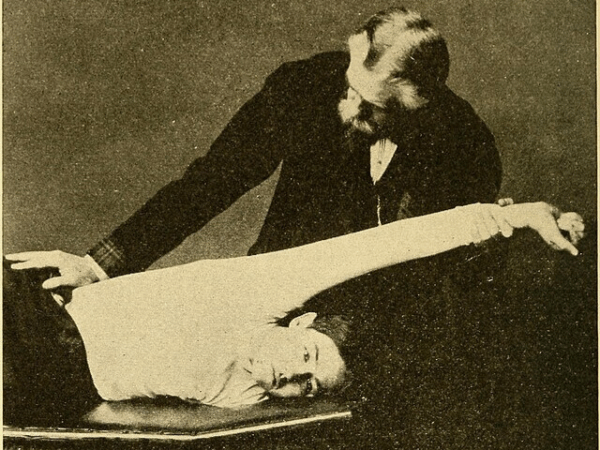
The Power of Historical Narratives
I had the good fortune to present recently at the AAOMPT conference in Reno, Nevada. The topic at hand related to how the modern scientific focus in physiotherapy is both strengthening our understanding of the …

Earthquake in Pakistan
On the 20th Anniversary, a review of the impact of the 2005 earthquake on the physiotherapy profession in Pakistan. On 8 October 2005 an earthquake of magnitude 7.6 points on the Richter scale shook the …
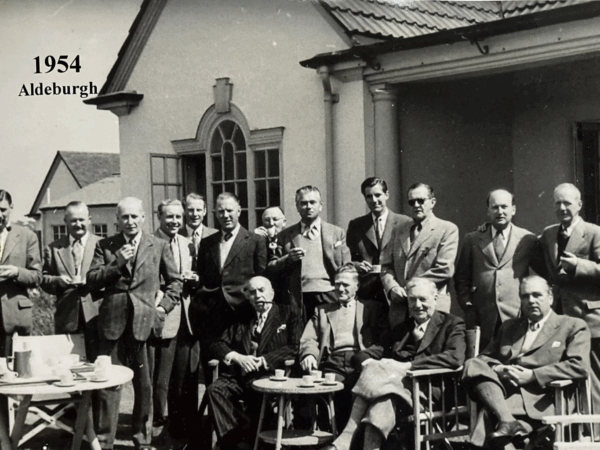
The Swedish Golfing Society
On the evening of 26 March 1912, twelve Swedes met at the Golfers’ Club in Whitehall Court, London. They were invited to the meeting by Detlof von Braun to discuss the formation of a Swedish …
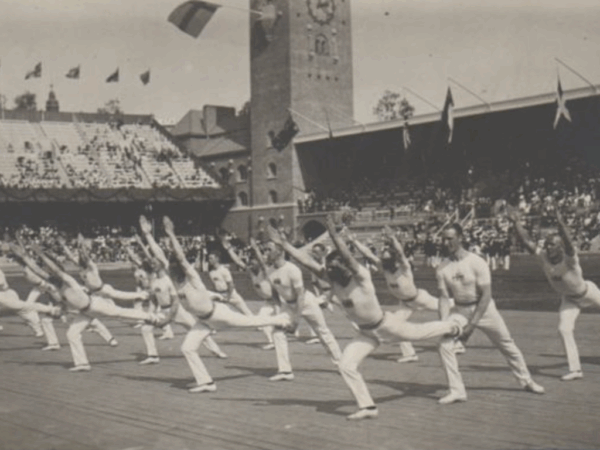
Swedish Gymnastics at the Olympic Games
The Swedish gymnastics of Pehr Henrik Ling consisted of four branches: military (fencing), medical (physiotherapy), pedagogical (physical education) and aesthetic (dance). For the latter two, the system emphasised floor exercises along with “Swedish bars” (attached …
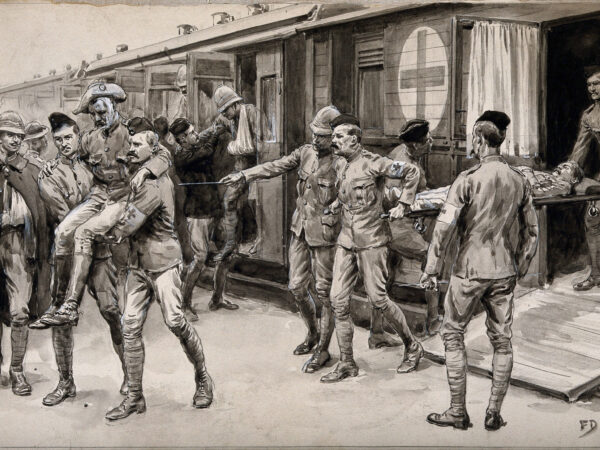
Physiotherapy’s First War
The First World War is considered the turning point for the institutionalisation and expansion of the physiotherapy profession. The sheer volume of injured personnel created by the mechanisation of arms, combined with emerging government social …
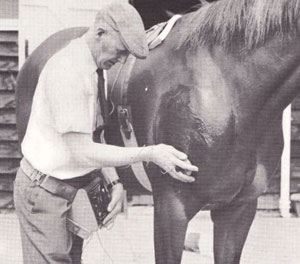
Animal Physiotherapy
Animal physiotherapy began with surprising enthusiasm, supported from its earliest days by none other than Lord Mountbatten (1939). It began to gain recognition and caught the attention of visionary therapists and forward-thinking institutions who believed …

A Royal Charter
The original roots of the Chartered Society of Physiotherapy (CSP) in the United Kingdom date back to the foundation of the Society of Trained Masseuses (STM) in 1894. In 1900, the Society was incorporated by the …
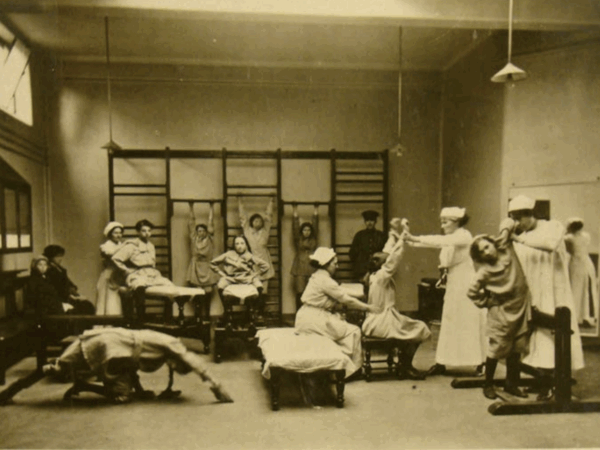
Dr Koch’s Emasculation and the Birth of Physiotherapy
The formation of the Society of Trained Masseuses (STM) by four British nurses in 1894 is often opined as the beginning of the physiotherapy profession (Ottoson, 2015). In support, physiotherapy historian and critical thinker Dave …
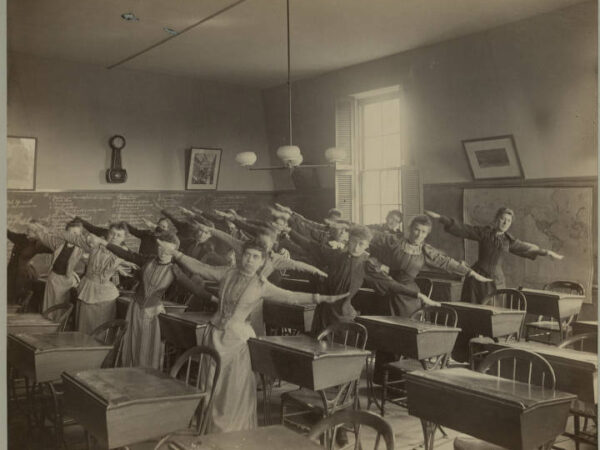
American Physical Therapy Before the War
The commonly accepted premise of the origins of the physical therapy profession in the United States is that it began in response to the First World War (Hansson & Ottosson, 2015). This understanding has likely …
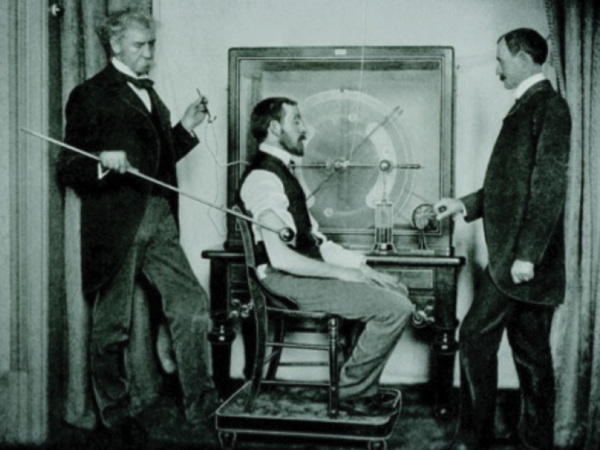
Dubious Electrotherapy
The word physiotherapy was used by many different practitioners in the first part of the twentieth century; including French physicians, American electrotherapeutists and later British radiologists as medical radiation was first grouped with electrotherapy. The …
You must be logged in to post a comment.