
Category: Editorial
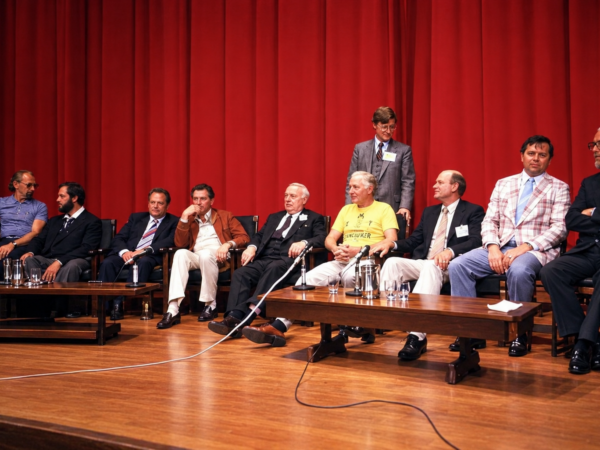
Derangement from Cyriax to McKenzie
You may have heard the term “derangement” and immediately thought of Robin McKenzie’s Derangement Syndrome. But the story of the term goes back further. McKenzie was strongly influenced by the work of British orthopaedic surgeon …
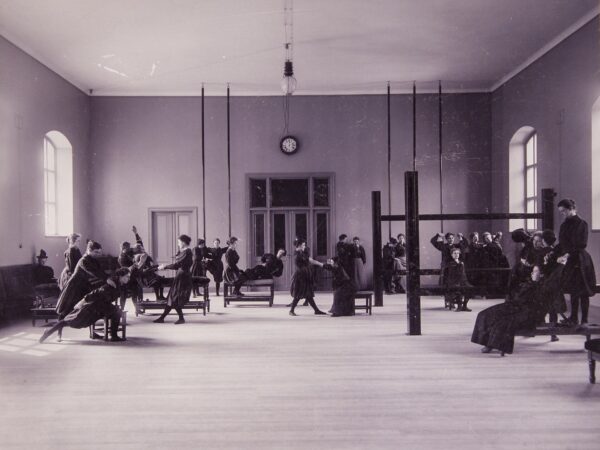
Her story
In the late 19th century, the medical world was turbulent, competitive, and surprisingly entrepreneurial. Among the more transformative developments was the rise of mechanical medicine—manual techniques, movement therapies, and massage—that challenged the conventional drug-based treatments …

Stolen Statue
In 1812, the Swedish government approved Pehr Henrik Ling’s application to teach gymnastics in Stockholm and receive a salary and premises through state assistance. Ling had developed a comprehensive system that included pedagogical (physical education), …
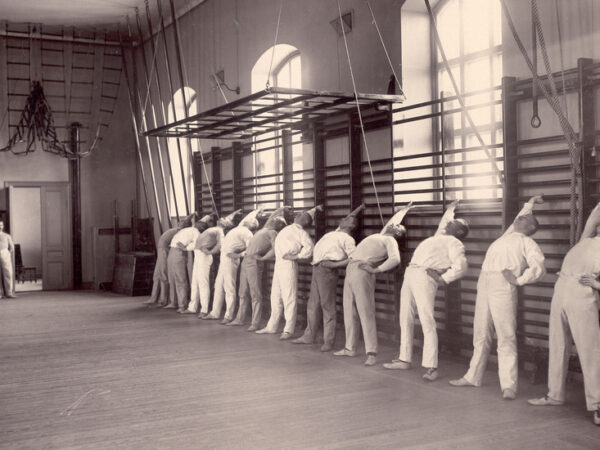
Royal Central Institute for Gymnastics
In the early 1800s as the Napoleonic Wars were reshaping the European map. Sweden had Finland and its’ eastern provinces ceded to Russia, and to the west the Swedish-Norwegian union occurred. It was shock to …

The Value of Physical Treatment
The following Letter to the Editor, published in The Lancet in 1918 provides an extraordinary review of the growth of physiotherapy from the First World War. SIR,—The Prime Minister in his speech on Nov. 16th, …

Paralympic History
On the eve of the Paralympics Games Paris 2024 where more than 4,000 athletes, representing 169 nations, will compete over twelve days for 549 medals across 22 events it is instructing to consider its humble …

Physiotherapy First
The phrase, “Physiotherapy First” could be interpreted as a call-to-action to prioritize physical treatments over pharmacotherapy and surgery. Use of the phrase is likely presumed to reflect the modern physiotherapy profession’s progression into primary care, …
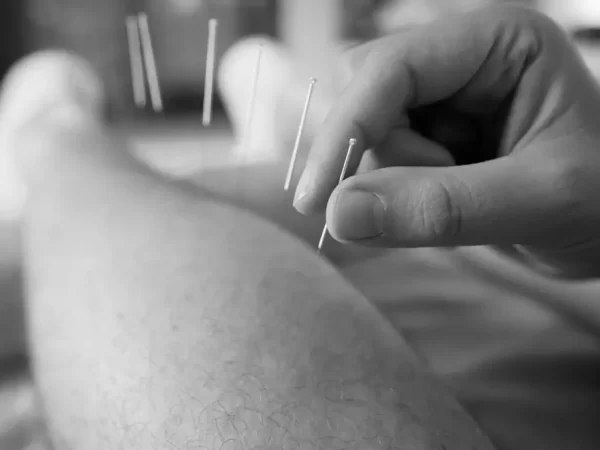
A Personal History of Dry Needling
In 1992 when I was studying a post-graduate manual therapy course at Curtin University, Perth, the educational emphasis was primarily on joints and neural tissue, with an early smattering of pain science. Whilst assessing a …
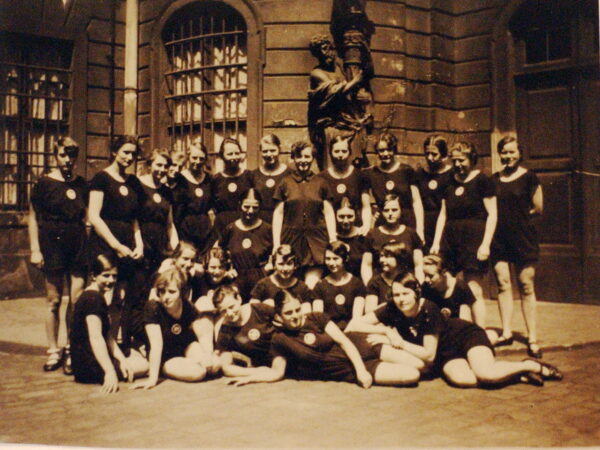
Researching the History of Physiotherapy in Saxony (Germany).
(Translated by Sandra Schiller) When I started research on the history of physiotherapy in Saxony for a talk I had been invited to give following German Reunification in 1990, I asked the state schools for …
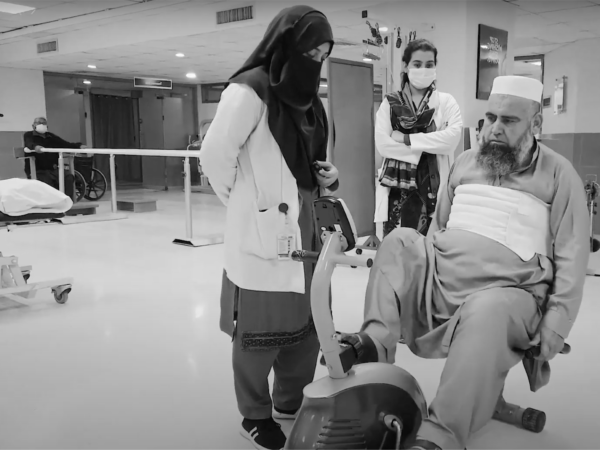
Physical Therapy in Pakistan:
50-Years to Recognition
In Pakistan the physical therapy profession underwent a gradual development, taking around 50 years to reach its current level of education and recognition. The initial steps occurred in 1956 at Jinnah Postgraduate Medical College, through …